



Feature ArticleSTARTUP SUPPORT TO BUILD THE FUTURE
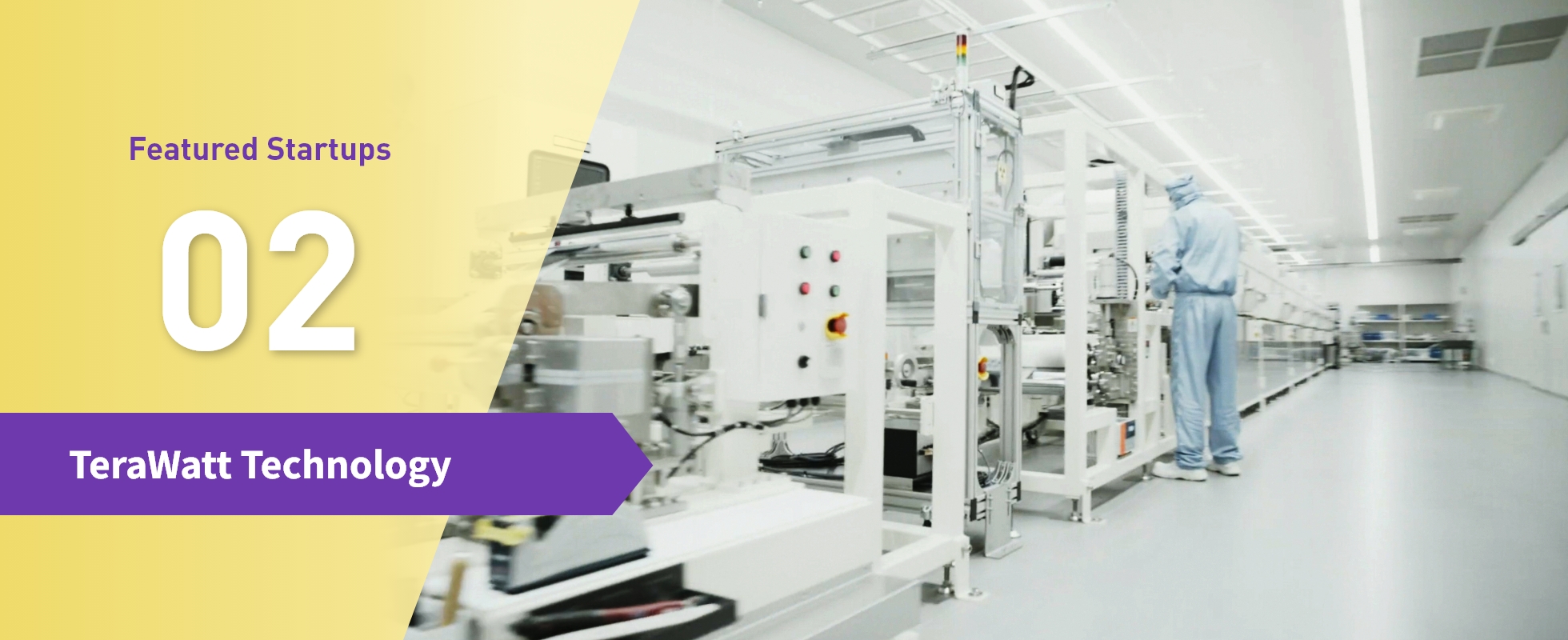
TeraWatt Technology's production base in Japan. Domestic manufacturing is expected to help strengthen the supply chain and contribute to energy security.
Integrating R&D and manufacturing
Since their commercialization by Sony in 1991, lithium-ion batteries have become ubiquitous in laptops and smartphones, steadily improving and reaching a stage of technological maturity.
“The next battleground will be mass production,” says OGATA Ken, co-founder and CEO of TeraWatt Technology, a startup developing next-generation lithium-ion batteries.
“Demand in the future will not be for niche, high-priced premium battery products but for high performance products that can survive pricing wars and commodification,” says OGATA. “What is needed now is manufacturing technology to churn out high-performance batteries that are lighter and safer, at scale and at low cost.”
OGATA studied materials engineering at the University of Tokyo before earning a PhD at the University of Cambridge, where he then researched next-generation batteries. Inspired by rising interest in silicon batteries, he moved to a major foreign battery manufacturer in 2014. There, he became keenly aware of the vast chasm that existed between research and manufacturing.
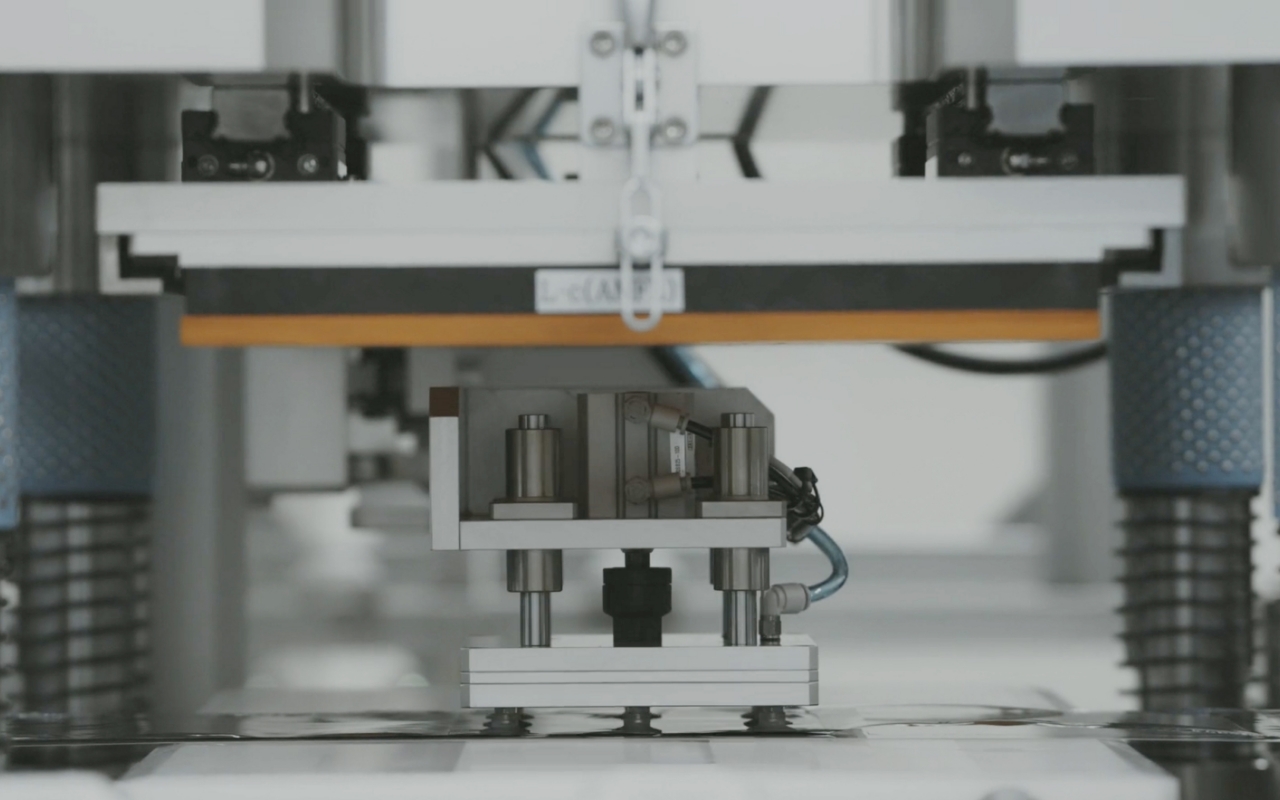
“With conventional lithium-ion batteries, mass production was possible once the results of research were handed over to the factory. But because the systems and the processes themselves are revamped for next-gen batteries, there is a complete disconnect between research and manufacturing. To address this, we don’t keep R&D engineers and production engineers apart but put them in a single team. Recruiting world-class engineers was challenging, but ultimately raised our competitiveness.”
Being U.S.-headquartered, TeraWatt benefits from designing governance and fundraising on a global scale. Meanwhile, with development and production bases in Japan, it leverages the country’s manufacturing strengths.
In addition to two- and four-wheeled EVs, the company is targeting applications such as drones and stationary energy storage systems, which have high geopolitical importance. It spent five years developing technology to enable low-cost, large-scale production of lithium-ion batteries that are substantially lighter, smaller, more powerful, and safer.

Global growth via corporate partnerships
TeraWatt has established multiple sites in Japan that can seamlessly handle everything from new battery design development to mass production, and built a system to simultaneously process all data generated at its centers on its in-house “AI × Battery” platform, TeraSpace. JBIC invested in the company in July 2025 to support these initiatives.
Lithium-ion batteries are impacted by geopolitical factors, with many countries prioritizing domestic production. Japan is no exception. OGATA says expectations are high for JBIC’s role in creating company networks to support its global expansion.
“I was astonished by the breadth and depth of JBIC’s connections with investors and industries. By building better partnerships through JBIC, I hope to establish a more solid presence in China, South Korea, and Japan, which drive the global market for lithium-ion batteries.”
TeraWatt is striving to innovate in the battery industry through a fundamental approach that integrates research and manufacturing. Next-generation lithium-ion batteries are a key technology for electric vehicles, stationary energy storage systems and other applications that support a circular economy. The company’s endeavors are a tangible step forward to a decarbonized society.

Co-founder and CEO
TeraWatt Technology Inc.
OGATA Ken
Graduate of the Faculty of Engineering, the University of Tokyo. Ph.D. from the University of Cambridge, where he researched next-gen batteries. After working on development at a major overseas battery manufacturer, he founded the company in 2020. Recipient of the Minister of State for Science and Technology Policy Award, 22nd Japan Venture Awards.

