OUR GLOBAL CHALLENGES Tosco Co., Ltd.
The pharmaceutical and chemical industries directly impact human lives and well-being, making supply chain diversification an urgent challenge. Shifting its focus from China to India, Tosco Co., Ltd. is manufacturing Japanese-quality active pharmaceutical ingredients (APIs) and helping to address drug shortages.
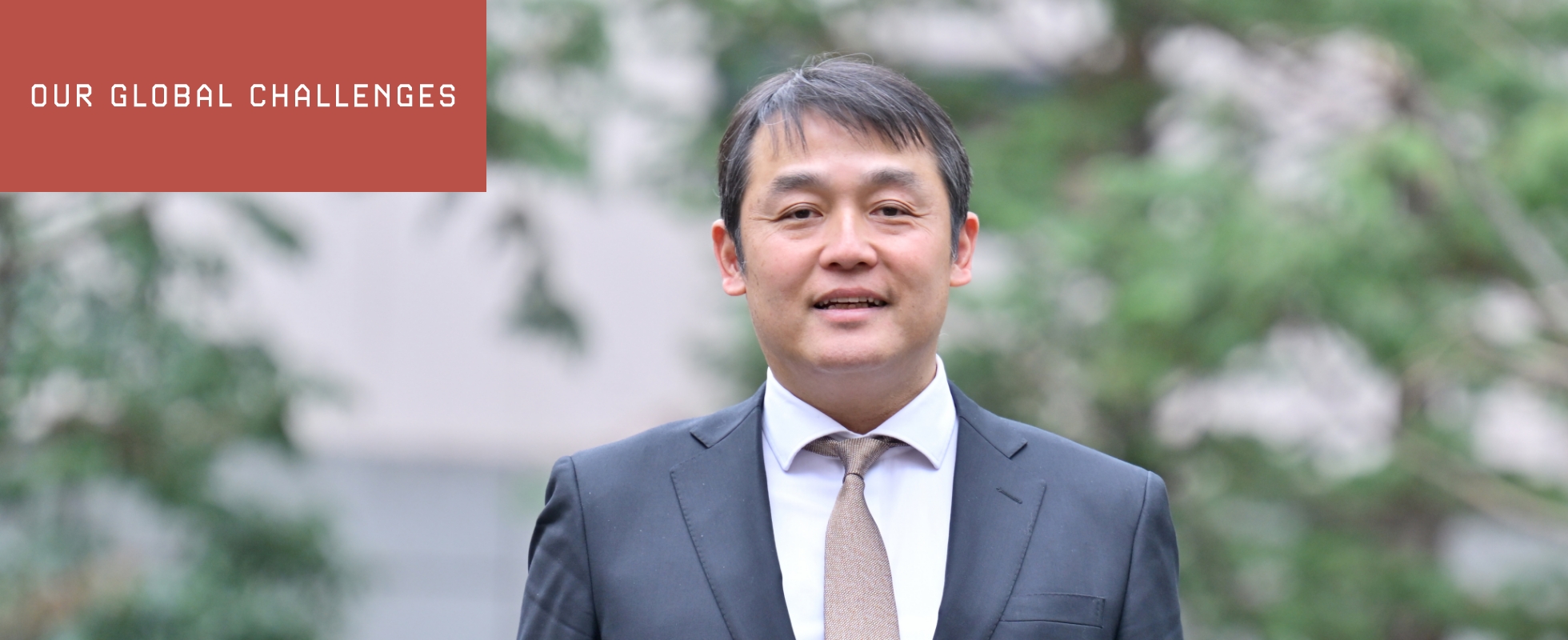
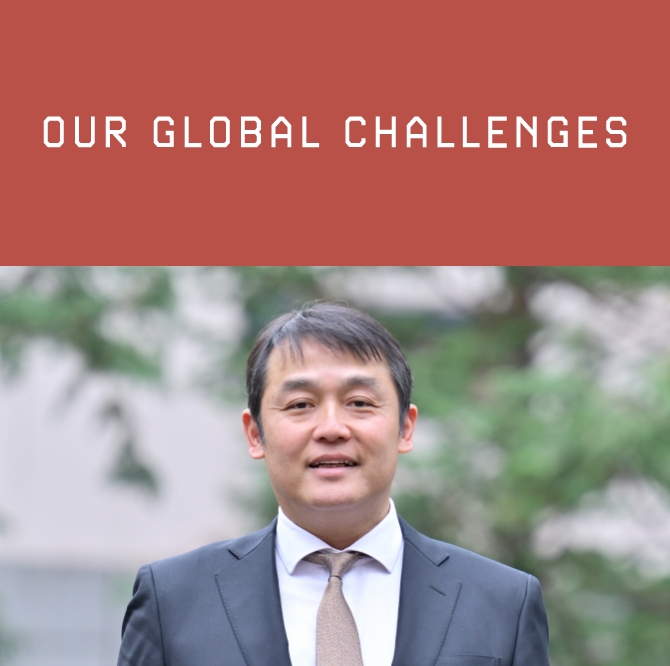
CEO, Tosco Co., Ltd. TSUMORI Atsushi While a student at the Department of Applied Chemistry, Faculty of Science and Engineering, Chuo University, he studied metallocene catalysts for a year as a research student at the Organometallic Chemistry Laboratory, RIKEN. In 1992, he joined Sigma-Aldrich, an American reagent manufacturer, where he worked for the technical services department as well as the sales and marketing manager for a European subsidiary. He joined Tosco Co., Ltd., founded by his father, in 1995. Assumed his current position in June 2000.
A strategic pivot toward technological expertise and enthusiasm
"He was truly passionate about his work. We clicked the moment we met, and I instinctively knew I wanted to work with him," recalls TSUMORI Atsushi, CEO of Tosco Co., Ltd., a Japanese manufacturer of APIs and intermediates* in India. That encounter with a young Indian entrepreneur would prove to be a turning point—but the road leading there began decades earlier.
Originally established in 1980 as a trading company importing goods such as lumber and wallpaper primarily from China, Tosco embarked on a new trajectory when the founder's son TSUMORI took over leadership in 2000. Reading the writing on the wall, he realized that direct trading online would eat into the company's core business. Drawing on his experience working at an American chemical manufacturer, TSUMORI shifted the company to pharmaceuticals and chemicals, which are also less vulnerable to economic cycles.
Initially, China was central to Tosco's business: sourcing raw materials and intermediates contract manufacturing for Japanese chemical companies. However, the 2010s saw deteriorating Japan-China relations and large-scale closures of chemical plants due to the Chinese government's stricter environmental regulations (Blue Sky Defense Battle). With single-country dependency becoming a liability, TSUMORI turned his eyes to India.
While gradually expanding business with India, it was TSUMORI's encounter with that young Indian business owner on a chemical product search site that triggered a full-scale move into the country. "After posting that I was looking for a specific API, he contacted me right away. Because of his quick and clear response, I immediately went to meet him."
Though still in his early 30s at the time, the entrepreneur was running a chemical trading company and a manufacturing plant for APIs and intermediates. The company had a very energetic, youthful workforce, as well as dealings with major Japanese pharmaceutical companies—demonstrating that it met stringent quality control requirements.
*An API (active pharmaceutical ingredient) is the active component contained in a drug. An intermediate is a compound formed during the synthesis to an API from raw materials.
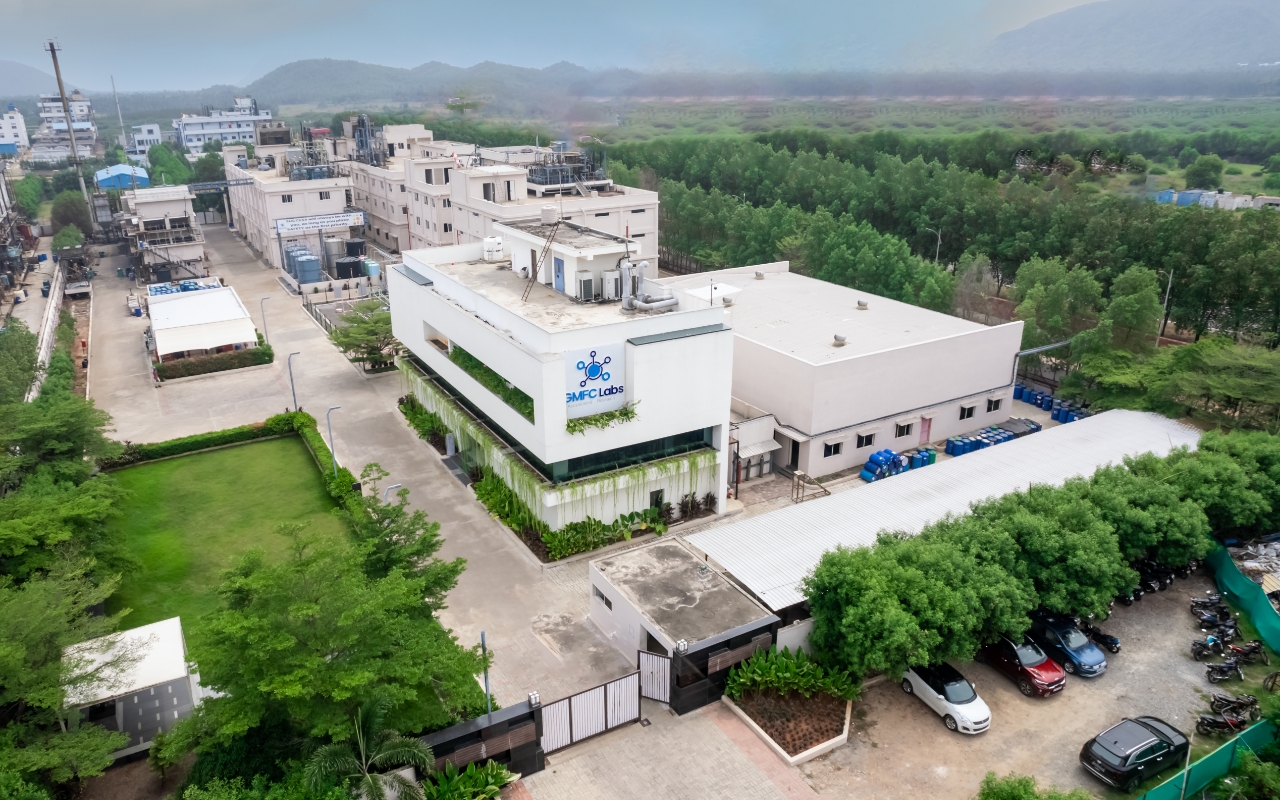
In 2024, the company acquired GMFC Labs, an Indian manufacturer of APIs and intermediates, as a wholly owned subsidiary, expanding its business operations.
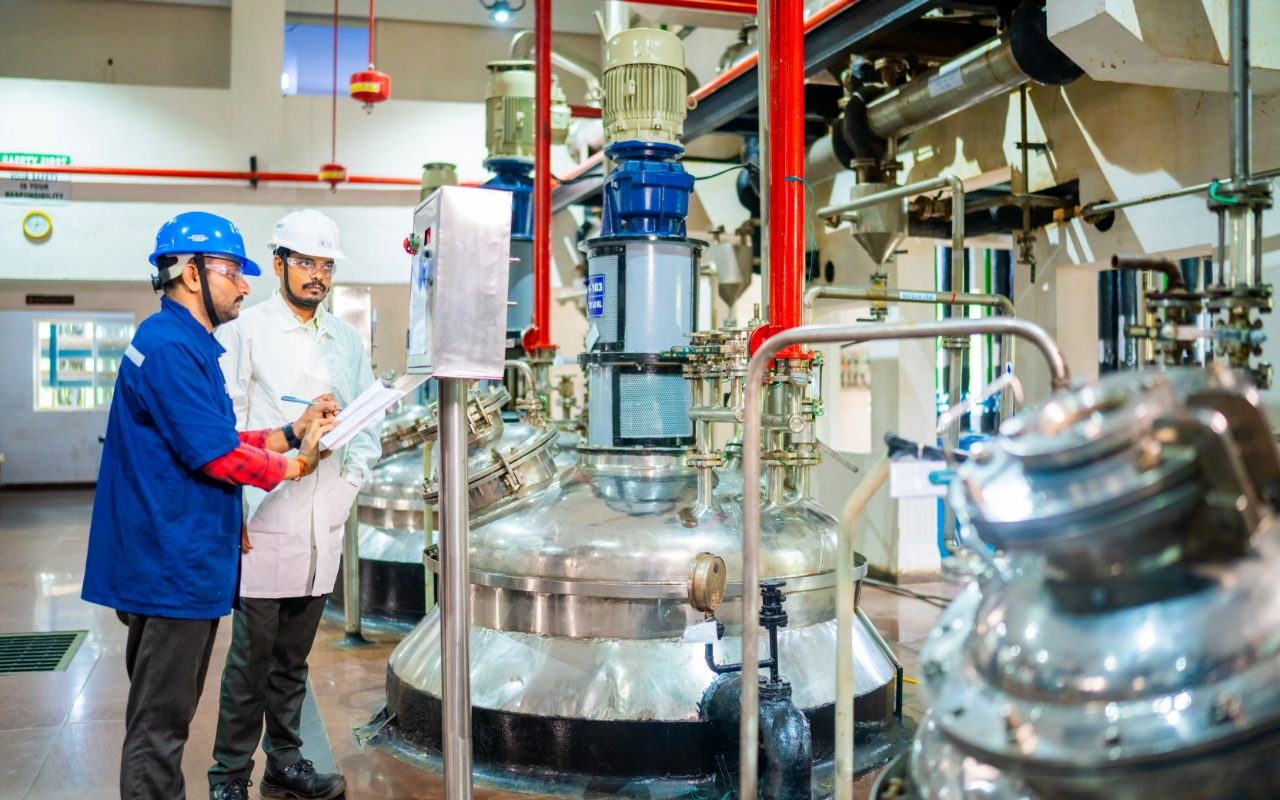
The deciding factor in the acquisition of GMFC Labs was its track record of supplying products to major Japanese pharmaceutical companies, and its ability to meet stringent quality control requirements.
Sensing great possibilities in his enthusiasm and technological expertise, TSUMORI decided to acquire the company. The trading company was purchased in 2019, followed by the plant in 2024, bolstering the Tosco group's local manufacturing capability.
"India was already beginning to be called the 'pharmacy of the world,' holding a position second only to China. It has a huge, highly educated, young workforce. Another big advantage is being able to communicate in English. And under the Japan-India Comprehensive Economic Partnership Agreement, many pharmaceutical products imported into Japan are tariff-exempt."
Scaling up operations to meet surging demand
Tosco's strategy in India picked up speed with the COVID-19 pandemic. Single-country dependence risk became apparent when repeated lockdowns shuttered Chinese factories, halting supplies and leading to global drug shortages. Inquiries surged not only from companies in Japan, but also from Europe and beyond, seeking to shift raw material and API sourcing from China to India. "Since drug shortages have life-or-death consequences, the supply chain shift away from China is accelerating, and the trend is likely to continue."
Due to the large number of inquiries from European countries, particularly from France, Tosco established a local subsidiary there in 2020. In 2025, it acquired another plant in India to expand manufacturing capacity. Local employees, who numbered just a few dozen at first, now stand at over 400.
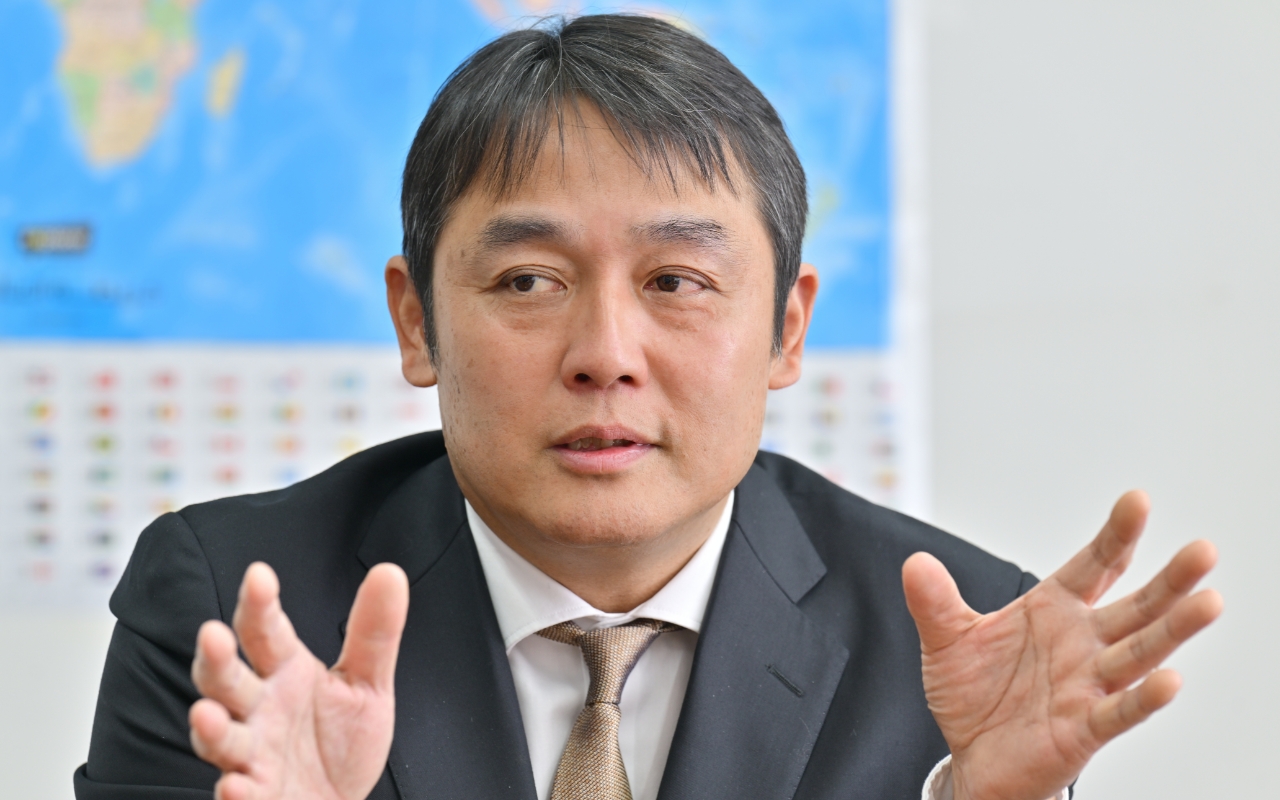
According to TSUMORI, trust is built by respecting a country's values and allowing the local staff to handle operations, not by imposing Japanese methods.
JBIC financing funded expansion in India. "Receiving a loan from a Japanese government-affiliated financial institution also helps gain local trust," according to TSUMORI.
One notable point about the company's overseas operations is that they are entirely run by local staff. Tosco has not dispatched any employees from Japan to its subsidiaries in India, China, or France.
"Japanese companies tend to make the mistake of sending their staff abroad and imposing Japanese-style management practices. When this doesn't fit with the country's culture and business practices, miscommunication occurs. I believe that trust is built through respecting the culture and values of the country you are operating in and leaving things in the hands of the local staff."
Of course, close communication is also essential for maintaining strong relationships. Because of the relatively small time difference with India—just 3 hours and 30 minutes—the company places importance on real-time interaction through video calls and chat.
"I'm sure I'm receiving various messages right now," TSUMORI said during the interview with a smile. "Many Japanese companies are hesitant about expanding into India, but I believe they're missing a huge opportunity."
Manufacturing Japanese-quality pharmaceutical intermediates and APIs in India and delivering them to the world—Tosco's business is a textbook case study in diversifying geopolitical risk.
"By building a business that is not just a line between Japan and India, but a web connecting Japan, India, and the world, we aim to reduce risk and ensure a stable supply to the pharmaceutical and chemical industries in many countries."
Looking ahead, the company is exploring opportunities to enter the U.S. market, seeking further scaling up the India hub, and expanding in Europe to meet burgeoning customer demand. Tosco is not resting on its laurels.
Tosco Co., Ltd.
| 1980 | Tosco Co., Ltd. founded |
|---|---|
| 2001 | Established a local subsidiary in China |
| 2019 | Established a local subsidiary in India, Acquired Indian company GM Fine Chemicals |
| 2020 | Established a local subsidiary in France |
| 2021 | Acquired Indian company Snehaa Pharma, Launched the manufacture of fine chemicals |
| 2024 | Acquired Indian company GMFC Labs, Launched the manufacture of APIs and intermediates |
| 2025 | Acquired Indian company Vasista, Scaled up the manufacture of APIs |


In December 2024, a loan agreement was signed with Tosco Co., Ltd. for JPY180 million (JBIC portion), co-financed with Resona Bank. The loan finances Tosco's acquisition of additional shares in GMFC Labs Private Limited, an Indian company engaged in the manufacturing and sales of APIs and intermediates for pharmaceuticals and chemicals. Through this loan, JBIC supports the overseas business expansion of Japanese companies, including M&A activities, and contributes toward maintaining and enhancing the international competitiveness of Japanese industry.