



Feature ArticleCORPORATE STRATEGY AMID GEOECONOMIC RISKS
The premise of rules-based free trade is collapsing, and Japanese companies developing business overseas cannot avoid being impacted. SUZUKI Kazuto, director of the Institute of Geoeconomics, and KIKUCHI Yo, senior managing director, JBIC, discuss how Japan and Japanese companies can navigate a path forward in a rapidly shifting geopolitical and geoeconomic global environment.
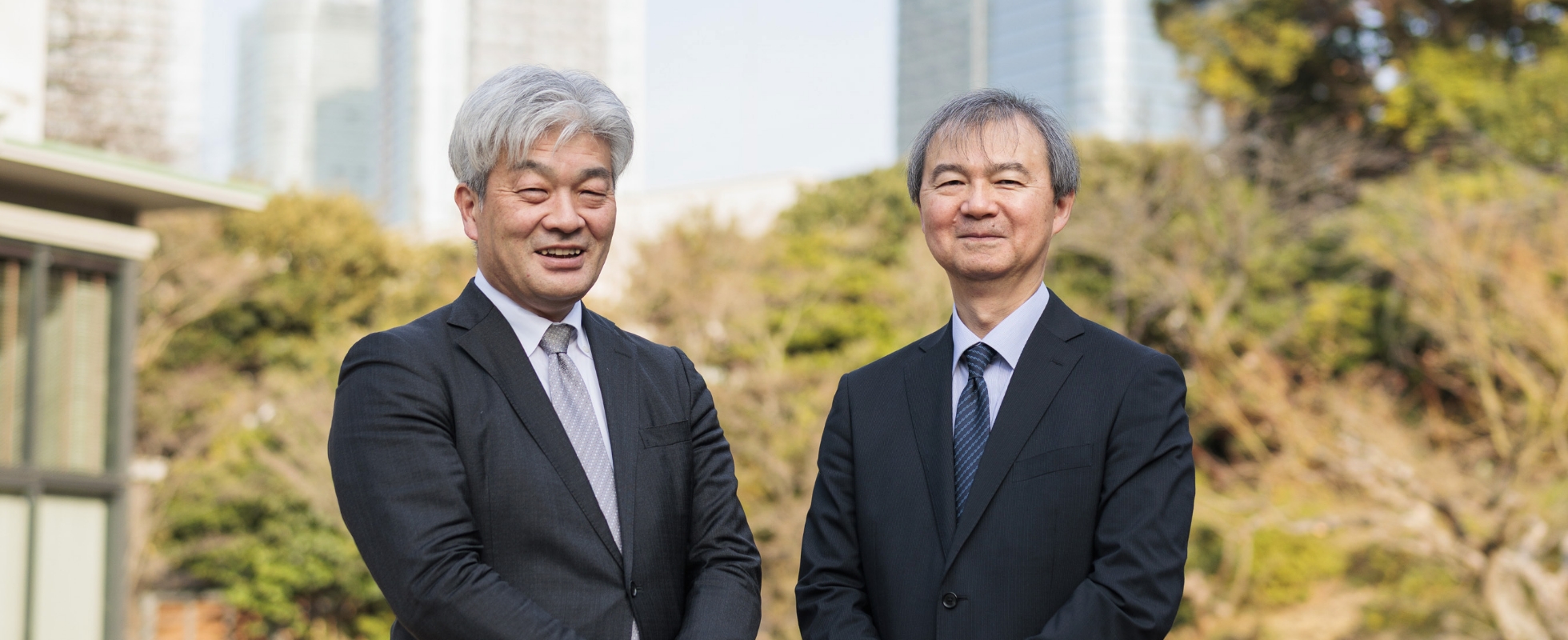
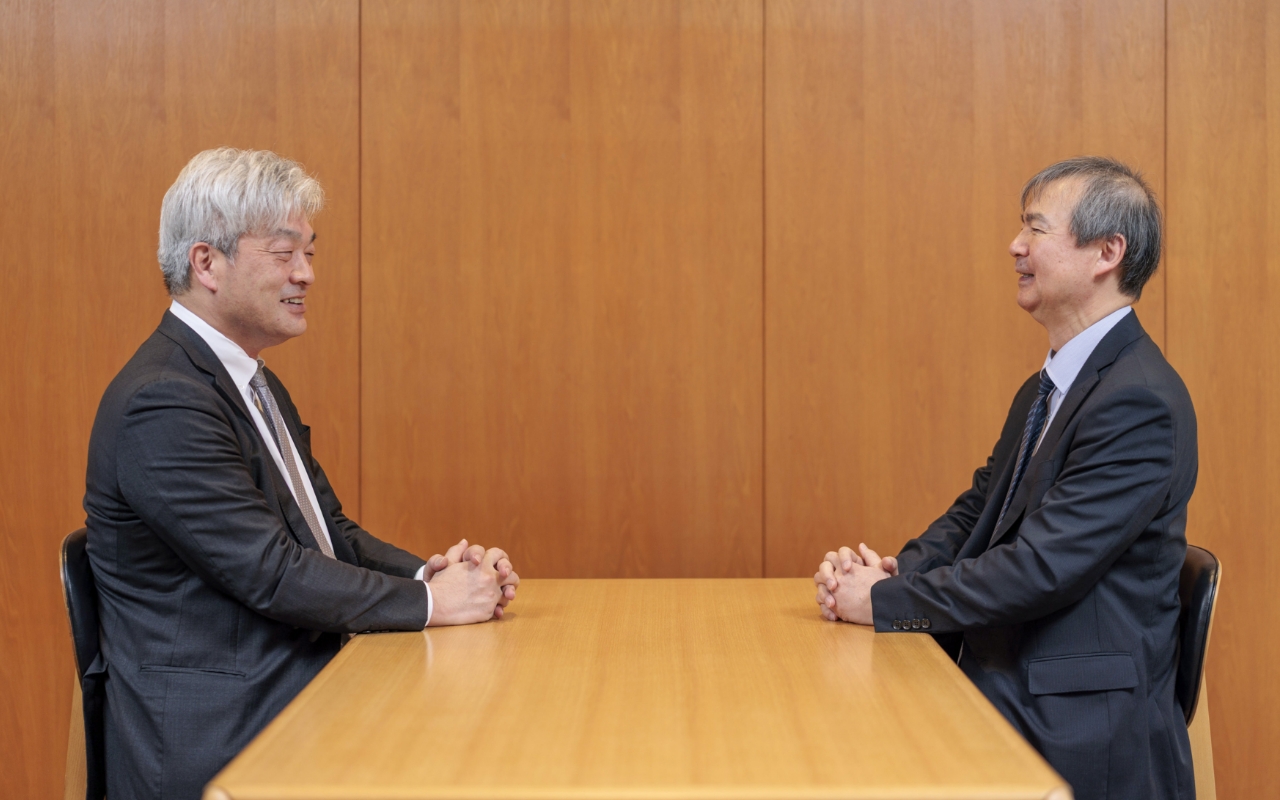
(left)
Director, Institute of Geoeconomics
Professor, Graduate School of Public Policy, The University of Tokyo
SUZUKI Kazuto
Following positions including Professor at the Hokkaido University Public Policy School, Visiting Fellow at the Princeton Institute for International and Regional Studies, and Member of the UN Security Council Panel of Experts on Iran Sanctions, he has been a Professor at the Graduate School of Public Policy at the University of Tokyo since 2020 and Director of the Institute of Geoeconomics since 2022. He received his Ph.D. from the Sussex European Institute, University of Sussex.
(right) Senior Managing Director, JBIC KIKUCHI Yo Joined the Export-Import Bank of Japan (now JBIC) in 1991. Following various positions including the inaugural director general of the Strategic Research Department, director general of the Human Resources Management Office of the Corporate Planning Department, global head of the Credit, Assessment and Risk Management Group, and global head of Corporate Planning Group, he assumed the position of senior managing director in June 2024. Using his extensive experience in risk management and planning operations, he oversees management as a whole.


Geopolitics is a framework for analyzing how geographical conditions and the distribution of resources influence power dynamics and security among nations. In recent years, economic tools such as tariffs, resources, technology, and supply chains have increasingly been used as "weapons" in international conflicts, leading to growing interest in "geoeconomics," which incorporates the perspective of economic security. It has become a critical framework that directly impacts not only national strategy but also corporate investment decisions and business strategy.
Geoeconomics: Turning the economy into the "strongest weapon"
SUZUKI Let's start by clarifying the context. The more established "geopolitics" is a framework for analyzing how geographical conditions influence power dynamics between states, especially power struggles through military force. This is analysis such as: island states like Japan are maritime powers that are not easily invaded, whereas Russia and Germany are continental powers that seek to expand their spheres of influence to neighboring countries in concentric circles.
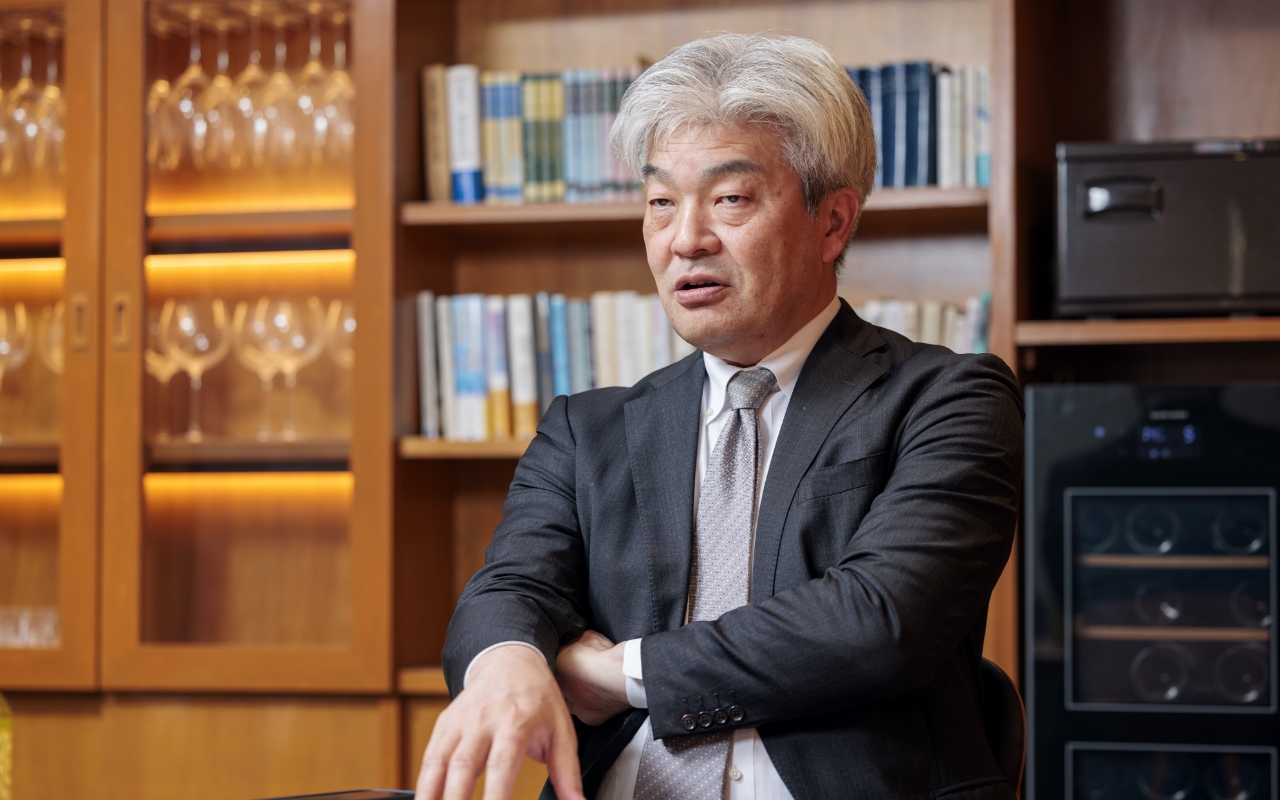
SUZUKI Kazuto, Director of the Institute of Geoeconomics
In contrast, "geoeconomics," which has been gaining importance in recent years, replaces this military strength with economic means. Power is drawn not from military strength, but economic "indispensability"—possessing something that cannot be replaced. For example, a country having "scarce resources rarely found elsewhere" or "irreplaceable technologies" makes other countries dependent on it, and this is used as a weapon to achieve political objectives.
A case in point is China's rare earth supply chain. China has a de facto monopoly on rare earth elements, and is taking advantage of that. The U.S.'s unilateral imposition of tariffs on everyone, including its allies, can also be called a geoeconomic tactic—exploiting the weakness of other countries that are dependent on its huge market.
To counter this situation, a country must reduce its dependence on other countries and work to increase its strategic autonomy. At the core of geoeconomics is analyzing the power dynamics controlling economic choke points, the nodes within global supply chains, and thinking about the tug-of-war between indispensability and independence.
KIKUCHI Even from an on-the-ground perspective, I am keenly aware that the risks associated with economic interdependence have become top management priorities. For some 30 years after the end of the Cold War, companies assumed globalization to be risk-free and made decisions based solely on economic rationality. As symbolized by China joining the World Trade Organization (WTO) in 2001, it was simply a matter of optimization based on a free trade system. The "winning formula" was thorough pursuit of cost efficiency.
Management decisions were able to be made on the foundation that international rules function and free trade will continue. Business leaders only had to think about profitability, technology, and legal issues, treating the international landscape as a given. But now that foundation is swaying. This could be summed up as a "rethinking of supply chains"—the need to consider safety over low cost. This is shaking the very core of business decision-making.
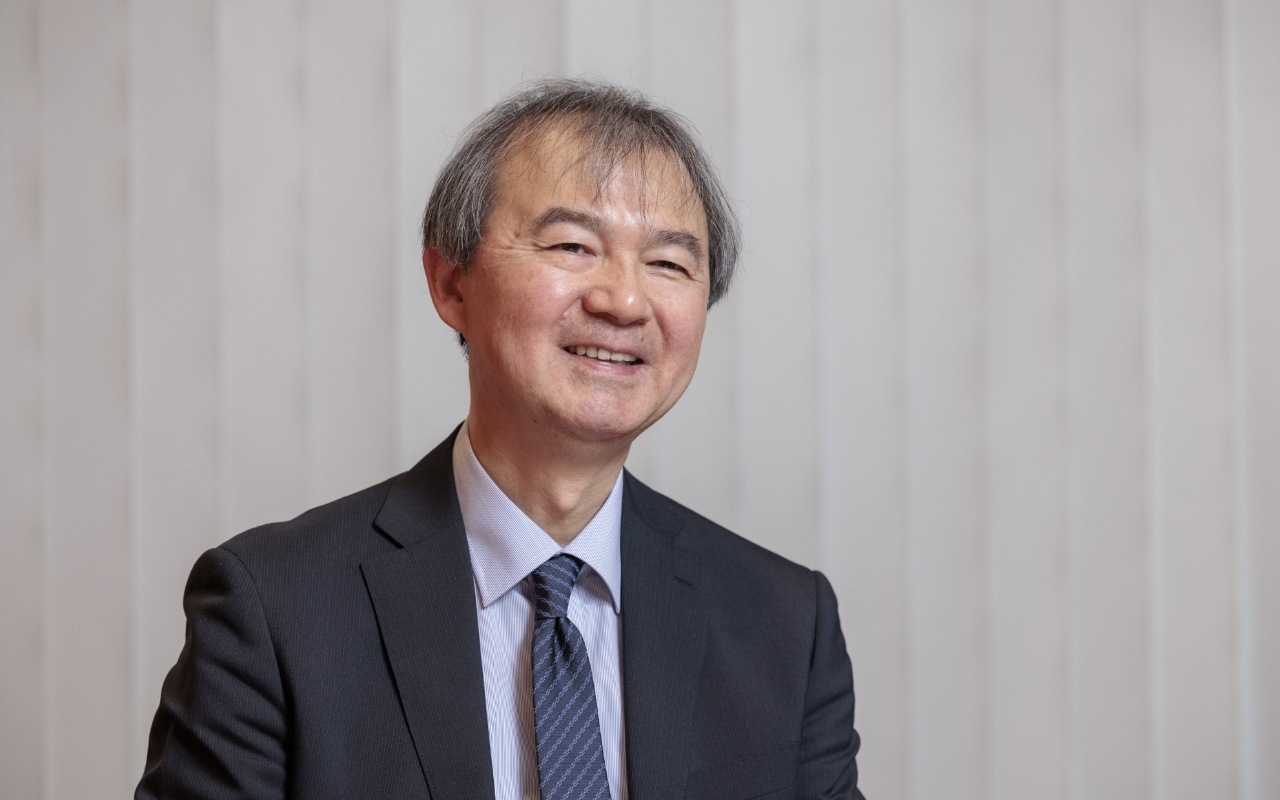
KIKUCHI Yo, Senior Managing Director of JBIC
SUZUKI The reason for so much focus on geoeconomics is the end of the separation between politics and economics. In the past, countries only had to deal with force majeure risks such as natural disasters and terrorism, but now, rule-flaunting economic coercion is being strategically employed as a political tool.
The more that free trade advanced, the more international division of labor developed, increasing one country's dependence on others. In normal times, this would be risk-free efficiency, but once a particular country becomes aware that its monopolistic position can be leveraged as a political tool, the economy transforms into its "strongest weapon." In the current situation, in which the WTO's dispute settlement mechanism is paralyzed, there is greater incentive than ever for major economies to weaponize this power. This is the era of economic statecraft—the use of economic means to pursue national interests—unconstrained by rules.
The end of "cold politics, hot economy": Long-term diversification of suppliers
KIKUCHI Japanese companies are also responding proactively to this change, symbolized by changing sentiment toward China and the shift in investment destinations. In the past there was an expression, "cold politics, hot economy," a kind of optimistic outlook which posited that strained political relations do not affect economic relations. However, that assumption collapsed around the time China's GDP surpassed that of Japan in 2010. When political relations cool, the economy also cools. That is the new normal.
Interesting trends are also revealed in the Global Landscape of Overseas Business Expansion (GLOBE) survey conducted annually by JBIC on Japanese companies. China was overwhelmingly popular for many years, ranking first or second in the ranking of promising countries or regions for business expansion. In the 2023 survey, however, it fell to third place, and in 2024, it dropped to sixth, a record low. Although it rebounded to fifth place in the latest 2025 survey, the trend for Japanese companies to diversify their suppliers and markets has already taken hold.
(2005–2025)
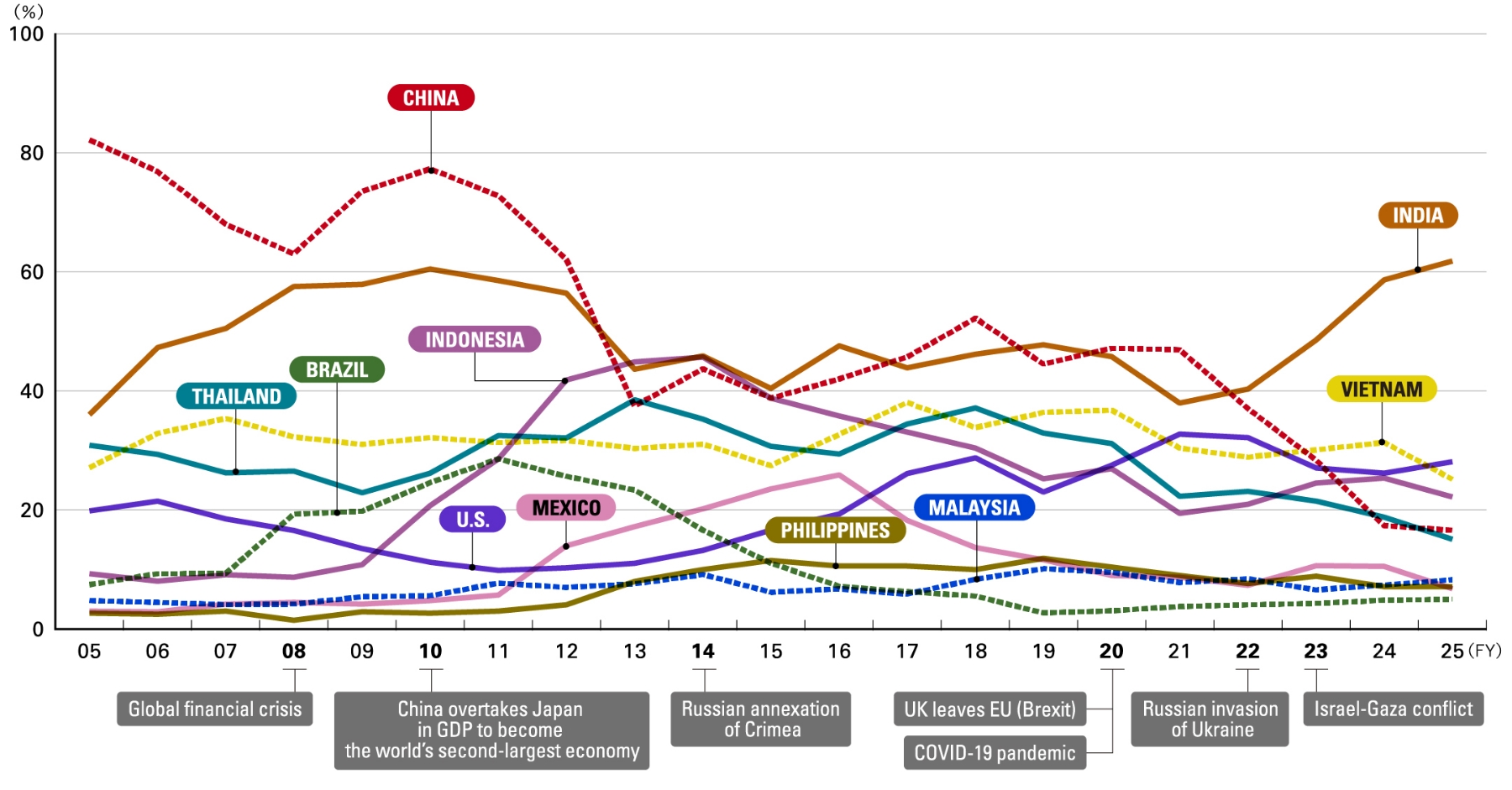
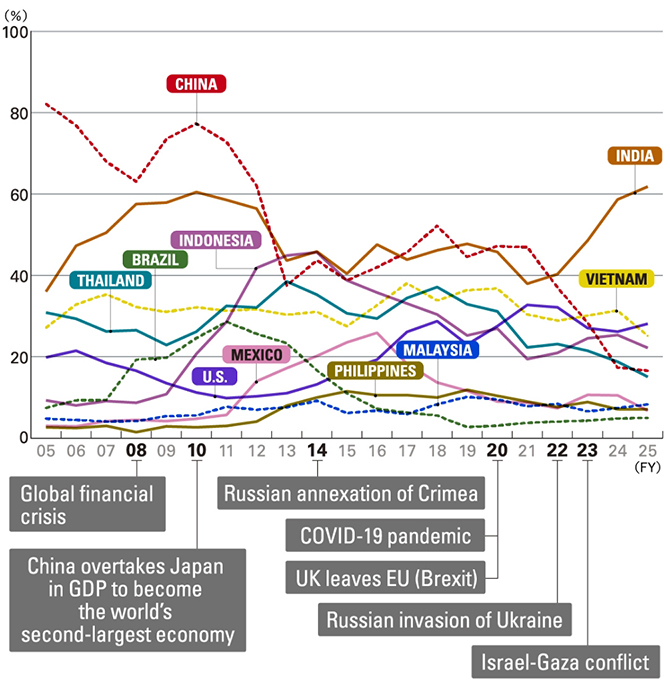
Respondent companies listed up to five countries or regions that they considered promising for business expansion in the medium term (around the next three years), and these were ranked as promising countries or regions for business expansion.
KIKUCHI Recently, interest in the USMCA (U.S.-Mexico-Canada Agreement, formerly NAFTA) region has risen. This was due to widespread expectations at the start of the Biden administration that free trade might resume via Mexico.
But these prospects waned with the start of the second Trump administration in 2025. Over time, we are seeing the U.S. becoming more popular, while Mexico's appeal declines. This is resulting in a clearer shift toward investment in the U.S. proper. Seeing a prolongation of the U.S.–China conflict, Japanese companies are realizing that they will not be returning to the "good old days" and are tilting toward more direct investments in the U.S. market.
SUZUKI I call this "the end of unfounded optimism." Rather than overturning the policies of the first Trump administration, the Biden administration actually reinforced them, which is why I call it "Trump 1.5." It did not return to the Trans-Pacific Partnership (TPP) and it strengthened restrictions on semiconductor exports to China. As long as a strong consensus exists among the American public for trade policies to protect the middle class, this geoeconomic trend will probably continue no matter who is president. It appears that Japanese companies are restructuring their risk portfolios based on this premise.
Typically, even when governments issue calls to "reduce dependence on China due to geoeconomic risks," companies will resist on the basis that "lower costs mean higher profits."
However, what sets Japanese companies apart is that they generally have a high awareness of risk and will work to diversify their suppliers even before the government makes a move. From the perspective of economic rationality alone, it might seem to be a "loss" to intentionally choose a more expensive supplier. Nevertheless, Japan's CEOs are having their companies bear these costs and restructuring their risk portfolios to avoid geopolitical risks. You could call this the long-term perspective of Japanese companies, which stands in contrast to Western companies, which tend to focus on short-term quarterly results.
KIKUCHI At the same time, it is the flip side of another risk: a low-growth domestic market. It's true that conducting all business domestically would reduce geoeconomic risk. But on the other hand, companies will confront limitations in market size. Indeed, the percentage of overseas sales of Japanese companies is now at a record high of over 40 percent.
Accordingly, "A return to Japan is safe, but growth cannot be expected. Going overseas offers growth, but carries geopolitical risks." Caught between these two constraints, Japanese companies are pressed for a decision. At that point, they have already shifted from their singular focus on efficiency and are in the phase where they take out what might be described as "geoeconomic insurance"—preventing disruptions in times of emergency even if it means accepting pain in the form of some cost increase during normal times.
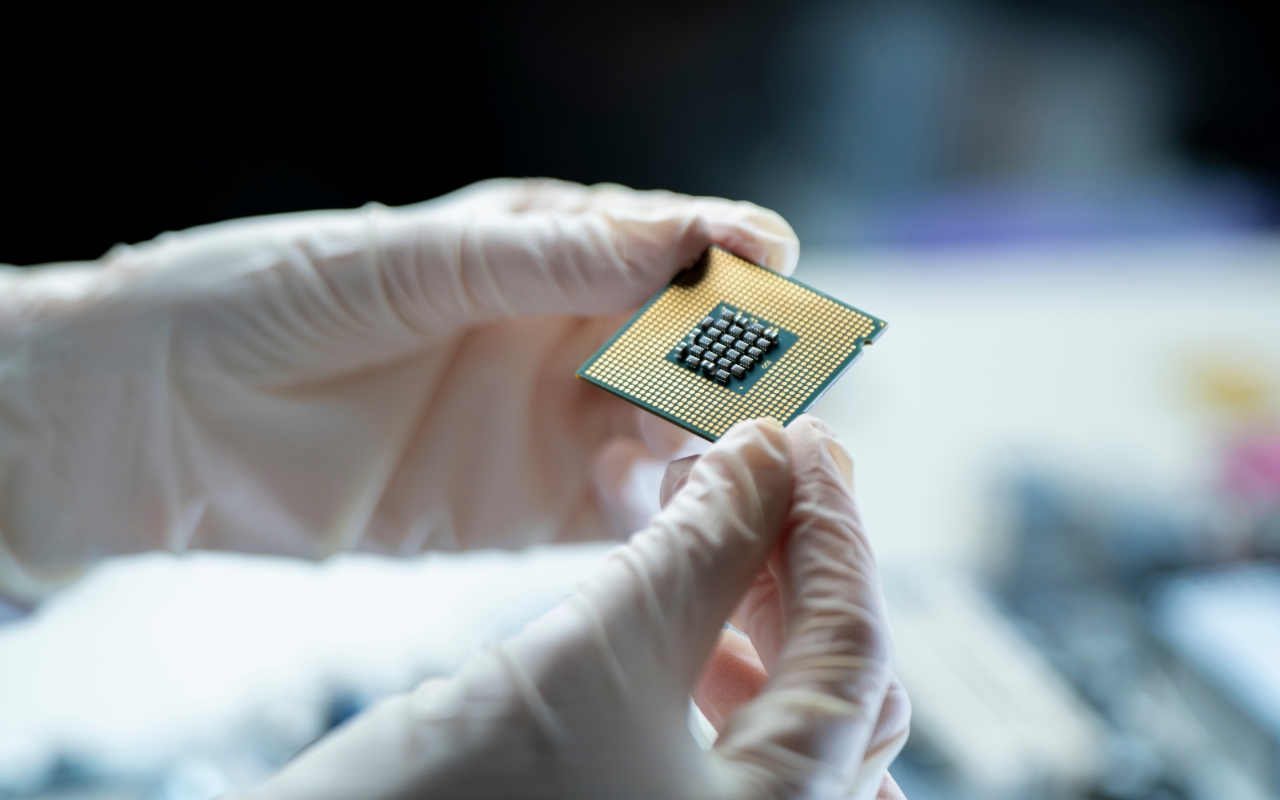
Semiconductors are at the intersection of the economy and national security. Choices in technological capabilities, investment targets, and supply chains greatly affect the competitiveness of companies and states.
Can India become a geoeconomic hub despite its challenging landscape?
KIKUCHI Recently, India has increasingly been cited as a candidate for supply chain diversification. In GLOBE's rankings of promising countries or regions for business expansion, India vied with China for the top spot for many years, and since 2022 has ranked first for four consecutive years. Its potential is now widely recognized. However, operations on the ground persistently face the dilemma of "high expectations amid many business challenges."
SUZUKI India is unique. In addition to infrastructure challenges, the national government and states have different interpretations of institutions and regulations, and there is a culture of bureaucratism as well as a tendency for individuals to put themselves before the organization. If you enter the market assuming Japanese-style teamwork, you'll find yourself stumbling. On the other hand, the Modi administration is implementing very flexible diplomacy by maintaining relations with both the U.S. and Russia, and a balance with China although tensions exist. This complexity itself is also one of India's geoeconomic strengths.
Having this country, with its "balanced diplomacy," serve as a hub is a big challenge for Japanese companies. However, companies succeeding in India have a common feature. Daikin Industries, which has a strong presence in India's air conditioning market, and Suzuki (Maruti Suzuki India), which holds about a 40 percent share of the passenger car market, are willing to go through the mill there. Both companies say that "If we can acquire a sense for products and cost consciousness that work in India, we can compete in Africa and the Middle East as well."
Should India be viewed merely as a market, or positioned as a global "geoeconomic hub" or a "training ground"? That strategic perspective will determine the success or failure of overseas expansion.
Honing "indispensability" as a strategy for economic security
SUZUKI The Trump administration is showing strong interest in Greenland because the strategic resources there could be a means to reduce its dependence on China. Today, geoeconomics and national security are two sides of the same coin. From that line of thought, JBIC's financing should not simply be economic assistance, it should play a role that supports Japan's economic security.
KIKUCHI We, too, are strongly aware of this responsibility. As geoeconomic risks merge with national security, JBIC's role does not stop at addressing social challenges. A rising priority is improving the resilience of supply chains. For example, our financing for development of a copper mine in Chile and for a decarbonization project with Brazil's state-owned oil company helps secure critical resources. In the semiconductor industry as well, we are supporting overseas investments and other initiatives necessary to maintain and enhance the international competitiveness of Japanese companies. In all these cases, we are aware that they are areas directly connected to Japan's vulnerabilities in resources, technology, and supply chains.
Going forward, just being a like-minded "ally" will not be enough; it will be a matter of whether the relationship is mutually beneficial. An aim of the loans for solar power projects in Uzbekistan and port container cranes in Ecuador is to have the countries recognize Japan as an indispensable partner by helping them address their pressing challenges of power shortages and logistics improvements. Though geographically distant, if countries feel that "we will be at a loss without Japan," this ultimately contributes to Japan's national security.
SUZUKI What is crucial here is "transparency" of the strategy. In this era of geoeconomics, even investments that are purely economic risk being characterized as politically motivated by the way some countries frame them publicly. That is why it is crucial for Japan to clearly convey why it is investing in a country—not only out of goodwill, but also because of its strategic importance and alignment of interests. This will actually make it easier to gain trust.
KIKUCHI The same can be said for ASEAN. Because of long years of peaceful economic diplomacy, the Japanese side had taken it for granted that the partner countries there are "pro-Japan." However, ASEAN members are seriously gauging their positions between China, with its huge investments, and the U.S., for its security. The era when Japan was welcomed simply because it was Japan is over. While the trust in Japan built by our predecessors is our foundation, it is crucial that we do not become complacent. It is essential that we engage deeply in the growth of these countries by addressing truly crucial issues using the technologies and solutions that only Japan can.
SUZUKI Japan is not a natural resource country, and so it cannot dominate the world through oil or food. However, there are areas such as semiconductor materials, machine tools, and carbon fiber for aircraft, where countries will be at a loss without Japan. How strategically Japan can control these choke points—ones that affect specific countries—will determine Japan's path forward.
KIKUCHI To that end as well, continuous innovation is essential. In addition to supporting startups, JBIC is investing in and providing loans for next-generation technologies such as nuclear fusion. We must also be willing to cast a wide net in areas where success is not guaranteed.
SUZUKI In the world of geoeconomics, "win-win" scenarios that benefit everyone do not exist. Reducing dependence always comes at a cost, with someone having to feel pain. By allowing a little pain to be felt during normal times, a fatal blow in times of emergency can be avoided. That is the commitment now demanded of business leaders.


This survey, which investigates the trends of Japanese companies regarding overseas business expansion, was conducted and collected by JBIC from July through August 2025. Responses were received from a total of 733 companies in the manufacturing and non-manufacturing sectors. The full report is available online.

