ON THE "GROUND" FROM
AROUND THE WORLD Representative Office in Buenos Aires
In "On the 'Ground' from Around the World," representatives working at JBIC's offices around the globe talk about their work and life in their respective countries. This issue features TSUKAMOTO Ryo, who is assigned to the JBIC Representative Office in Buenos Aires, Argentina's capital, known as the "Paris of South America."
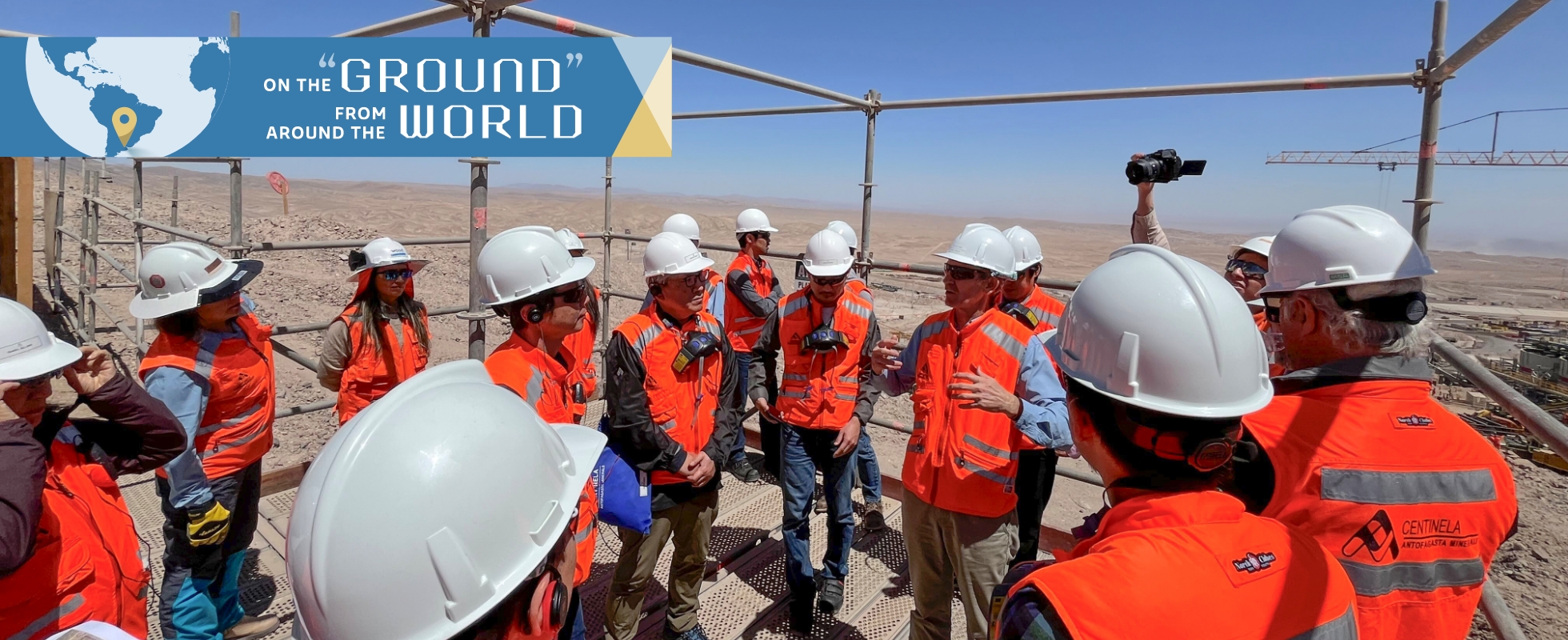
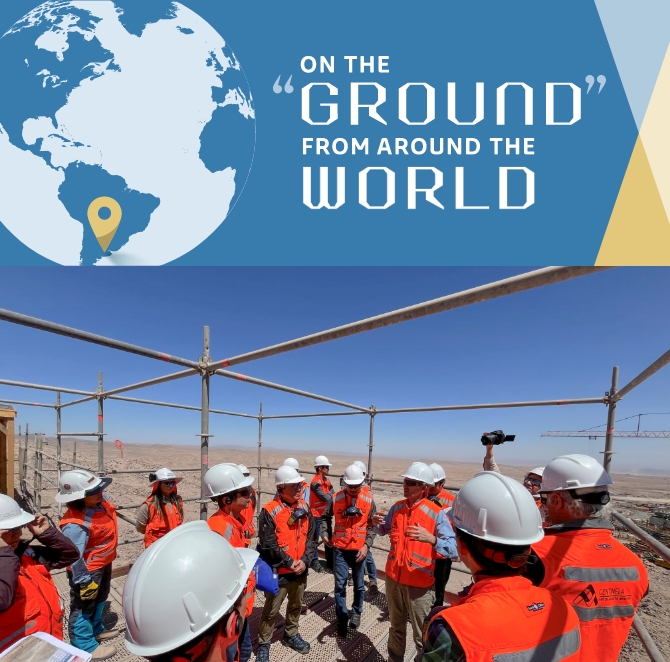
Visiting a copper mine in Chile. “Site visits are valuable opportunities to directly sense the enthusiasm and expectations of our clients,” says TSUKAMOTO. “They change how I view and share information.”

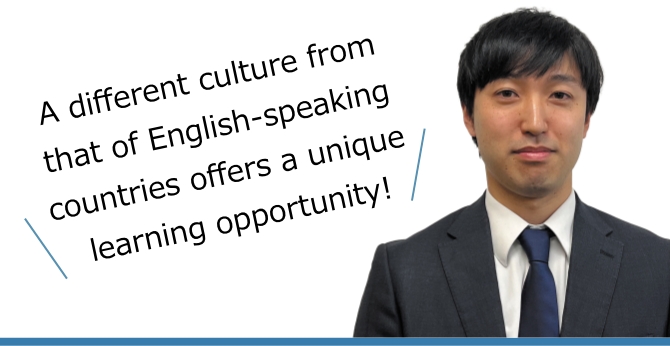
Representative
JBIC Representative Office
in Buenos Aires TSUKAMOTO Ryo Joined JBIC in 2022 and worked in the Strategic Research Department on the overseas business operations by Japanese companies and geopolitical trends reports. Was also a trainee at the Representative Office in New Delhi for three months. Assumed his current position in January 2025.
 What kind of city is Buenos Aires?
 The capital of Argentina, known as the "Paris of South America." With the exception of a few areas, it is relatively safe. Historically, immigrants from Italy and Spain contributed to the country's economic development, beginning with agriculture. It is especially famous for its beef and wine, and its culinary culture is based around Argentina's iconic asado (charcoal-grilled beef), and relaxing in cafés with family and friends.
What kind of work do you do?
The Representative Office in Buenos Aires covers Argentina, Chile, Uruguay, and Paraguay. Our main work is relationship building with governments, international organizations, and Japanese companies there. Recently, resource-related projects are on the rise. In Argentina, copper mine development is attracting attention due to the introduction of the Incentive Regime for Large Investments (RIGI) and amendments to the Glacier Law, while measures to attract foreign investment in oil, gas, lithium, and other resources are accelerating.
In terms of Chile, the newly elected President José Antonio Kast, who took office in March 2026, is expected to cut corporate tax rates and introduce other reforms designed to attract foreign investment into the nation's huge resource sector. I closely monitor how the new administration's policies, including closer cooperation with the United States, may affect projects, and proactively report on the developments. For that reason, we go on business trips to Chile every two or three months.
Is there any information you feel that Japanese companies should know about?
In Argentina, the Javier Milei administration, which took office in 2023, is pushing ahead with radical structural reforms to overcome the long-standing economic slump and hyperinflation. While regulations and political risks still pose barriers to market entry, I think the investment environment is gradually improving. 2025 saw a series of major political events, such as Argentina's midterm legislative elections and Chile's presidential election. I hope Japanese companies will continue to follow these developments closely.
How do you spend your days off?
On long vacations, I go traveling. There are many attractive destinations, such as Patagonia with its vast nature, and the Iguazu Falls, a UNESCO World Heritage Site. On my days off, I like socializing with expatriates from other companies and playing on the Nikkei community's volleyball team.
What are your career plans?
Overseas development issues and their impact on society have interested me since I was a student. I feel very lucky to have been assigned to a country where political trends have a large effect on the investment environment. I hope to draw on this experience and engage in the kind of work that connects policy and business, an area where JBIC has a unique role to play.
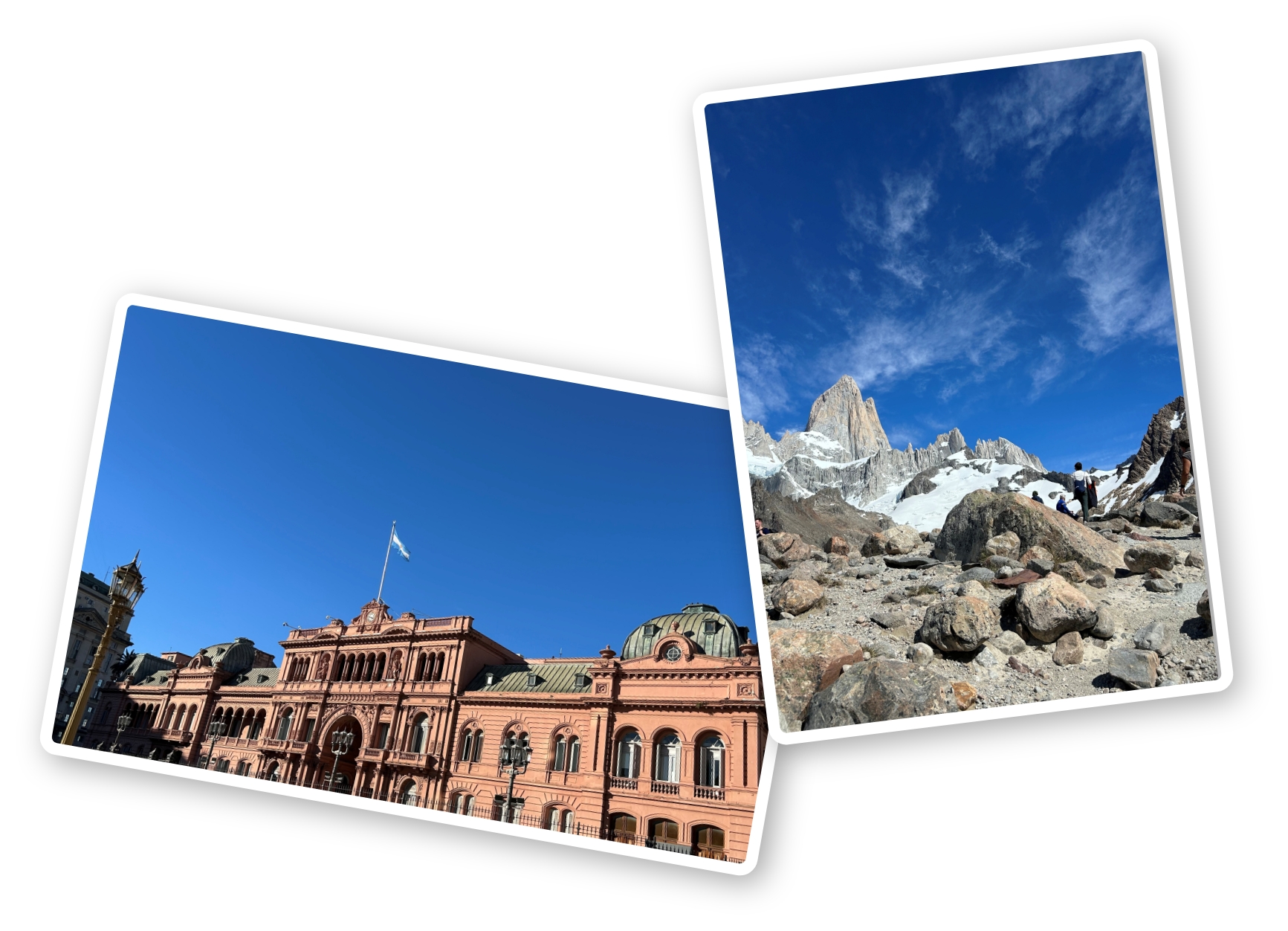
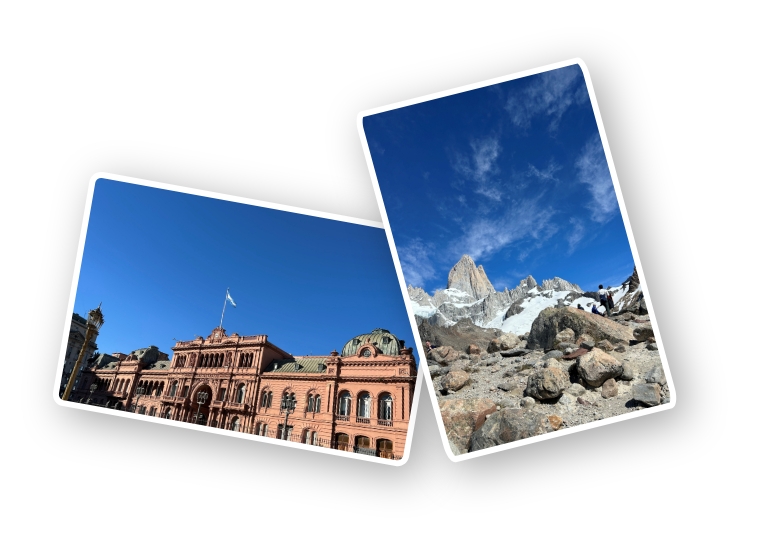
Left: Casa Rosada, the presidential palace, faces the Plaza de Mayo, a symbol of Argentina's politics. Right: Mount Fitz Roy (Patagonia)