



Feature ArticleBIOFUELS FOR ENERGY SECURITY
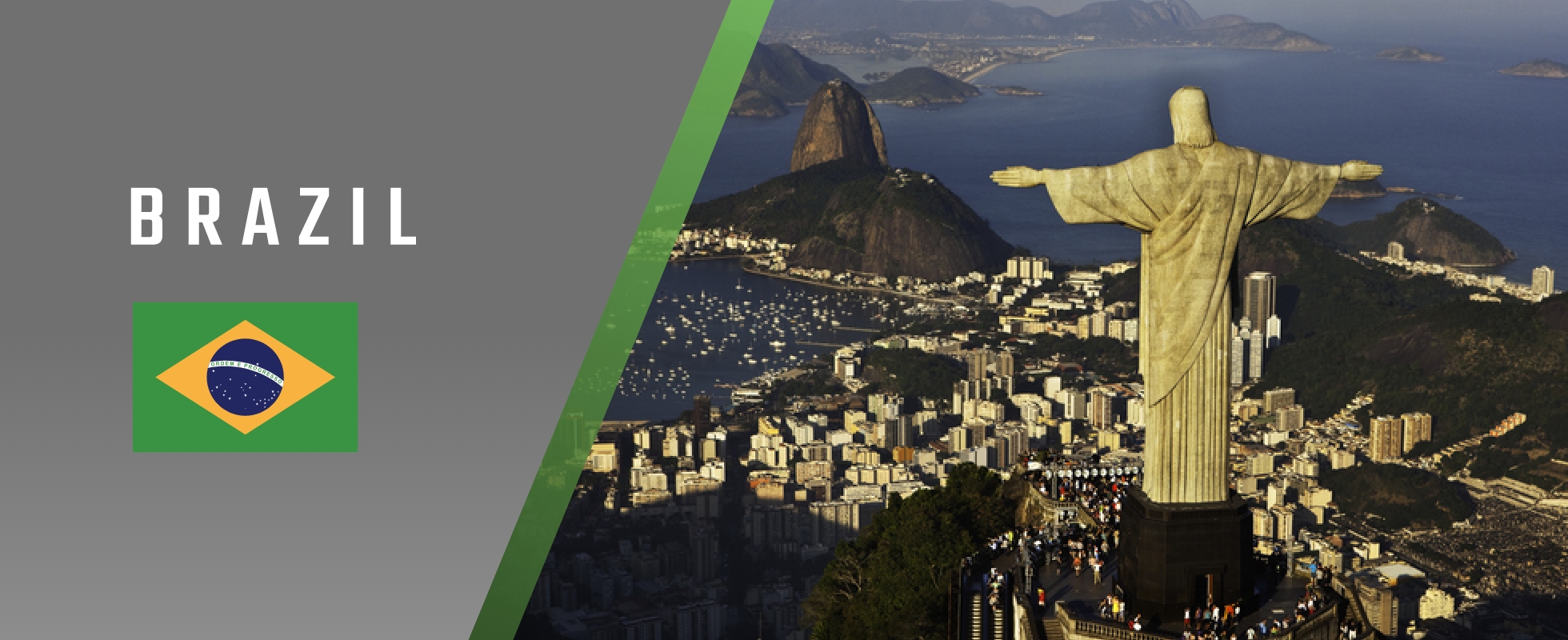
Brazil's strength in sugarcane-based ethanol marks the country as a biofuel superpower.


Prompted by the oil crises of the 1970s, Brazil has been promoting biofuels as national policy for some 50 years. The country mandates a blend of approximately 30 percent ethanol in gasoline sold domestically, and pure ethanol is readily available at gas stations—biofuels are now an established part of life and industry. Sugarcane is the traditional feedstock, with ethanol produced near the plantations. Corn-based ethanol has also grown rapidly in recent years, now accounting for about 20 percent of bioethanol production. Brazil is also attracting global interest as a production center for next-generation fuels such as sustainable aviation fuel (SAF).
In November 2025, behind the scenes of the 30th Conference of the Parties to the United Nations Framework Convention on Climate Change (COP30) held in Brazil, JBIC signed memorandums of understanding (MOUs) on cooperation centered on the biofuels sector with Banco do Brasil and Banco Nacional de Desenvolvimento Econômico e Social (BNDES), the nation's two major government-affiliated financial institutions.
The aim was to strengthen partnerships with Brazil, a world biofuel superpower. ODA Masahiro, who was involved in the signing of the MOUs as division director, recalls the steps that led to their conclusion.
"In March of that year, we set up our sixth credit line with BNDES, the first in about six and a half years. It was then mainly for the power transmission and biofuel sectors, but we wanted to take the occasion of COP30 to promote initiatives that were especially focused on biofuels, so we signed an MOU with the purpose of establishing the next credit line."
Building on the cooperative relations deepened at COP30, JBIC and BNDES signed a loan agreement for the seventh credit line to coincide with the Wise Group Meeting for Strategic Economic Partnership between Japan and Brazil, held in Tokyo in April 2026.
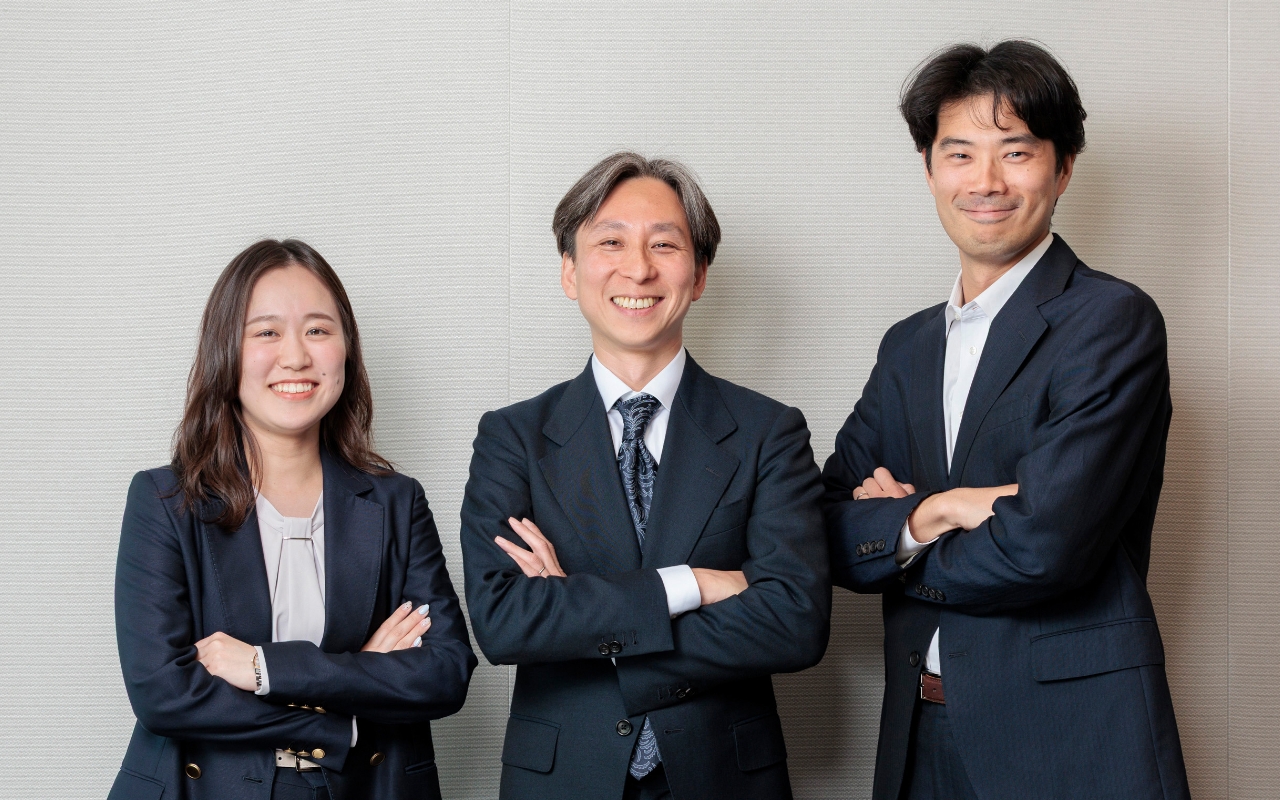
(From left) Division 3, New Energy and Power Finance Department II, Infrastructure and Environment Finance Group, JBIC, HOSHINO Hiroi (at that time), ODA Masahiro, WATANABE Teruyuki
Leveraging the respective strengths of Japan and Brazil to realize a new mobility society
WATANABE Teruyuki, JBIC's liaison with Banco do Brasil and BNDES, explains that momentum in the biofuels sector was sparked by the governments of the two countries launching the Initiative for Sustainable Fuels and Mobility (ISFM).
"Brazil leads the world in the production and adoption of biofuels," says WATANABE. "Meanwhile, Japan has outstanding technological strengths in internal combustion engines, like its world-class automotive engine manufacturing technology and hybrid technologies. The purpose of the ISFM is for the two countries to combine their strengths and create a vision for a new mobility society."
WATANABE explains that JBIC is collaborating with the two banks because of their different strengths: "In the bioethanol supply chain, Banco do Brasil has an extremely strong foundation in the upstream segment, namely in the agricultural sector that grows feedstocks such as sugarcane and corn. Partnering with Banco do Brasil is perfect for providing financing to agricultural producers and actual farming operations. On the other hand, BNDES is strong in domestic socioeconomic development, especially large-scale infrastructure. Together with the bank, we will support the mid- and downstream segments: building plants to produce ethanol from harvested feedstock, and developing infrastructure to deliver it across the country. Through these two relationships, we will comprehensively support the entire supply chain."
The vigor of Japanese companies on the ground provided the rationale for this strategy, says ODA.
"Talking to Japanese trading companies, we learned that their focus is upstream, on sugarcane cultivation and production," he explains. "Moreover, they are also pursuing involvement in various forms, from midstream fuel manufacturing to downstream distribution. Each segment—upstream, midstream, and downstream—has its unique challenges and financing needs. If JBIC's financing capabilities can resolve these, business opportunities for Japanese companies will grow. Our conviction that it would benefit Japanese companies is what drove this initiative forward."
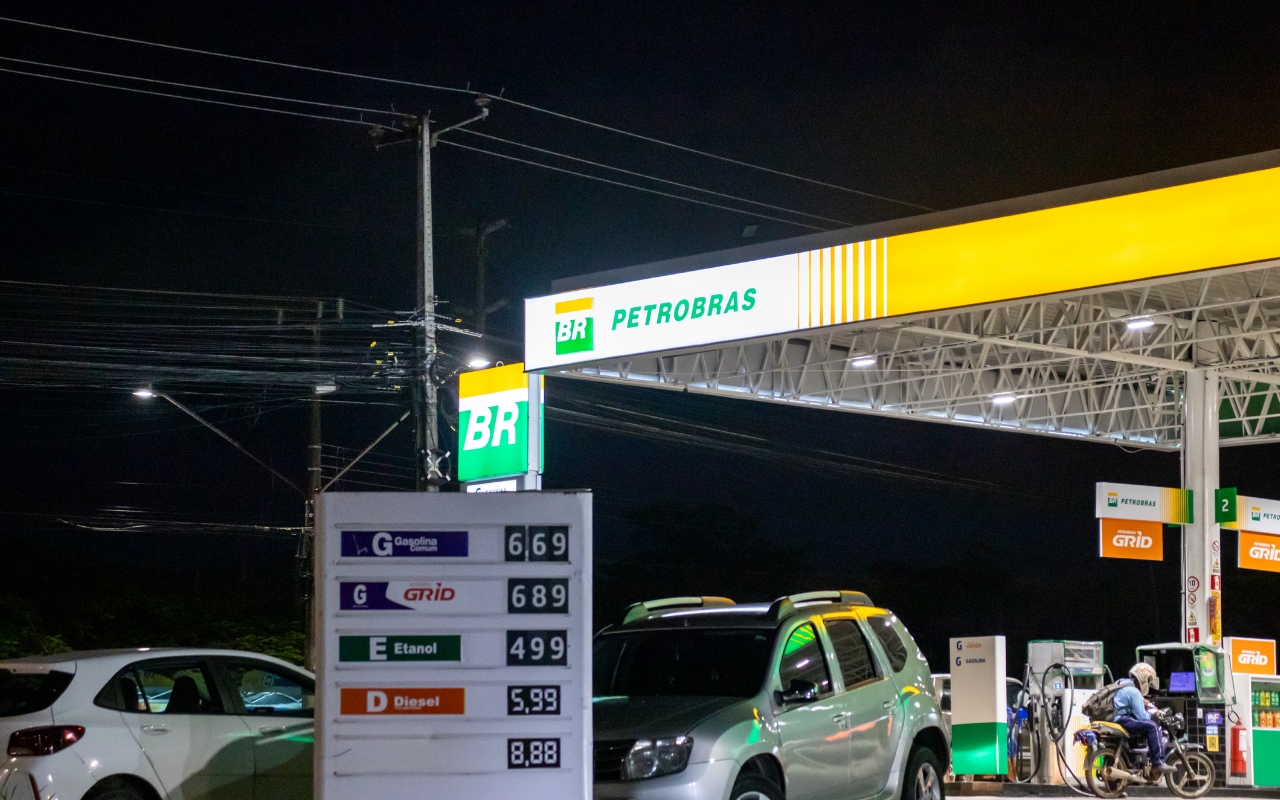
A gas station in Brazil. About 75 percent of the cars sold in the country are "flex-fuel vehicles," which can be fueled with gasoline and ethanol in any proportion.
Trust with BNDES underpins the seventh credit line
Amid these developments, HOSHINO Hiroi handled the practical work of concluding the agreement. "The key point in the seventh credit line agreement with BNDES in April was streamlining the environmental review process. BNDES has a strict internal environmental review process, and our own review came on top of that, doubling the paperwork for project operators and impeding swift uptake of the credit line. We had to hold repeated discussions with BNDES, but the dialogue was very constructive as we both recognized the problem."
What is unavoidable in doing business with Brazil are the time zones and the cultural differences.
"The time difference with Japan is exactly 12 hours. The seasons are reversed as well, with summer vacation starting in January. And, above all, the Rio Carnival is a sacrosanct cultural tradition that takes priority even if a deal is in the home stretch. Making contact becomes very difficult during the Carnival, which begins in mid-February. Since we were aiming for an April signing, moving ahead while respecting their culture was like solving a puzzle."
Despite these cultural differences, HOSHINO recalls being rescued on numerous occasions by the sincerity of her counterparts.
"They read my emails carefully and are surprisingly thorough and diligent in their responses. The people at BNDES do not make promises they cannot keep, so it takes time to reach an agreement. On the other hand, they follow through on every commitment. Weekly progress reports are always made, and they handle everything with the utmost good faith, building deep trust as partners. This made me determined to realize this project with them."
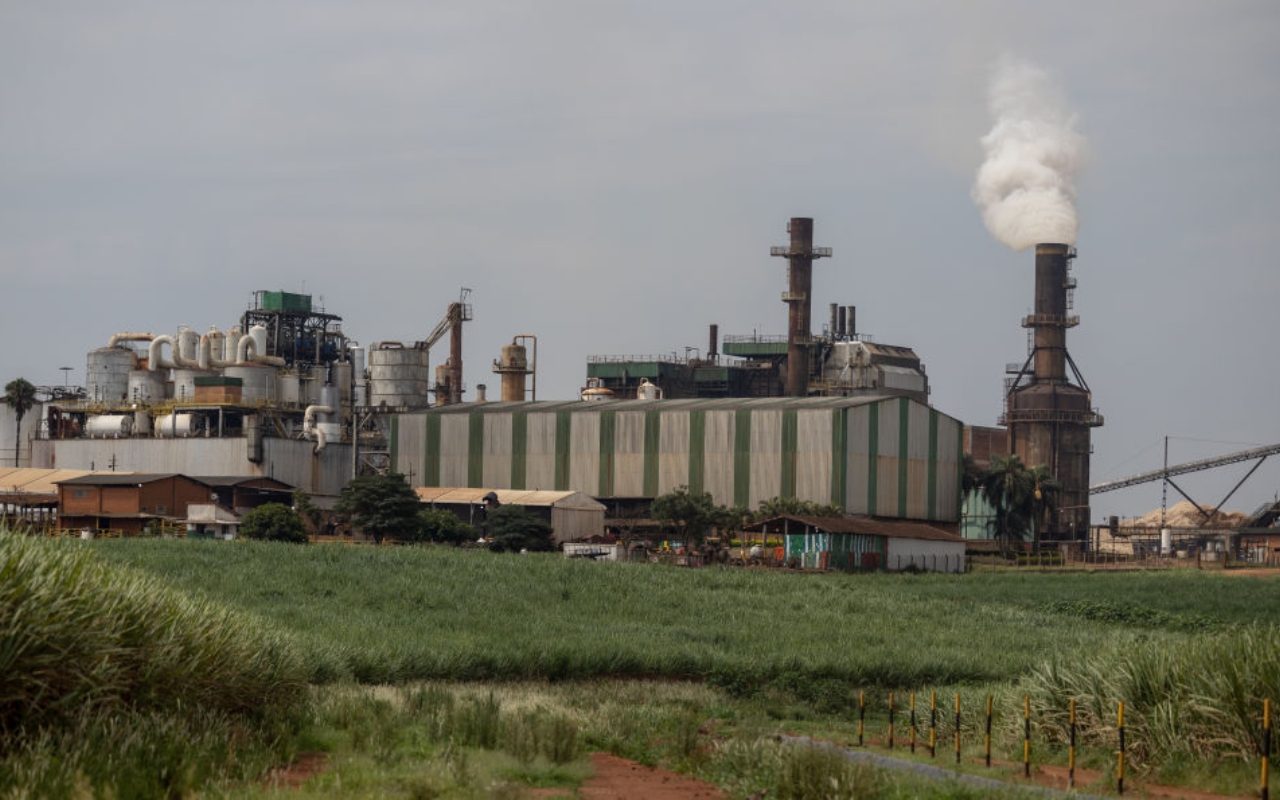
A bioethanol refinery near a sugarcane field. Brazil is the world's largest sugarcane-based ethanol producer.
Strengthening partnership with Brazil is a key to Japan's future
That the signing of this seventh credit line was timed perfectly with the Wise Group Meeting for Strategic Economic Partnership between Brazil and Japan was entirely due to this strong trust between the personnel of both countries. The recommendation paper from the meeting, which JBIC's governor attended as a group member, carries immense weight as it is directly reported to the leaders of both countries.
ODA has high expectations: "Brazil may seem like a distant country on the other side of the globe, but it is a partner on which we can rely for stable supplies, and building close ties with Brazil now could hold a key to Japan's future. We expect the successful ISFM model will be rolled out in other countries as well. India and Indonesia, which face similar challenges in energy procurement and agriculture support, would be an excellent fit for future implementation."
The bonds between Japan and Brazil were forged through meticulous information exchange that transcended time zones and occurred even as Carnival danced in the background. The future of biofuels, woven from Japan's outstanding technology and Brazil's vast lands, is rich with the potential to set the standard for a clean energy society.
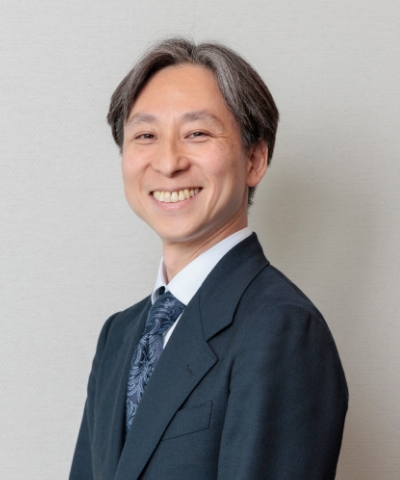

Director
Division 3,
New Energy and Power Finance Department II
Infrastructure and Environment Finance Group, JBIC
ODA Masahiro
Joined JBIC in 2005. Has worked on project formulation in the automotive, chemical, heavy industry, natural resources, and power sectors. Assumed his current position in 2024, following an assignment to the Representative Office in Mexico City, a secondment to the Nuclear Energy Policy Planning Division of the Agency for Natural Resources and Energy, and service as Secretary and Advisor to the Governor of JBIC. Graduated from Keio University, Faculty of Economics.
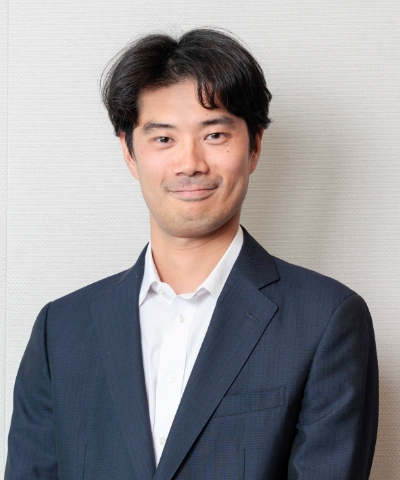
Division 3
New Energy and Power Finance Department II
Infrastructure and Environment Finance Group, JBIC
WATANABE Teruyuki
Joined JBIC in 2019. After working in the Social Infrastructure Finance Department and Treasury Department, joined the New Energy and Power Finance Department II in June 2025. Responsible for the development and management of projects in the field of global environmental conservation in South America, Africa, and the Middle East. Graduated from the University of Tokyo, College of Arts and Sciences.
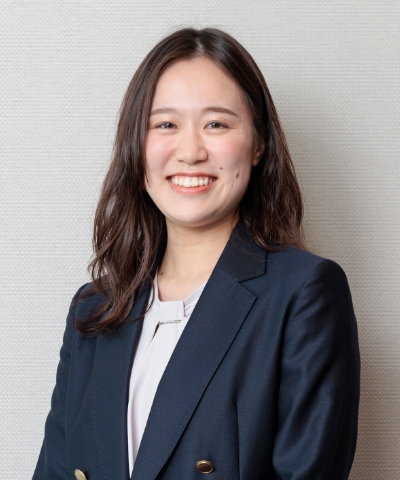
Division 3
New Energy and Power Finance Department II
Infrastructure and Environment Finance Group, JBIC
(at that time)
HOSHINO Hiroi
Joined JBIC in 2023. Has worked in the New Energy and Power Finance Department II on the development and management of export finance projects and projects in the field of global environmental conservation in Latin America. Graduated from Hitotsubashi University, Faculty of Law.

