



Feature ArticleBIOFUELS FOR ENERGY SECURITY
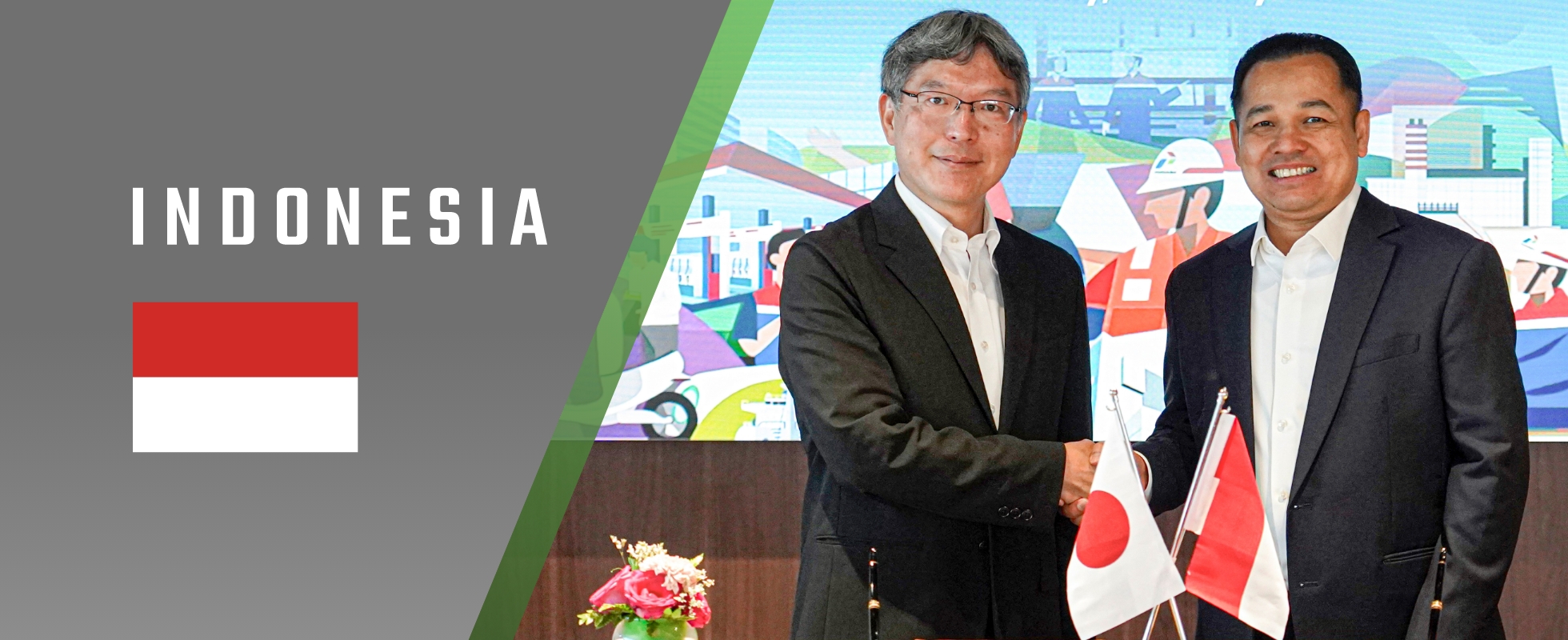
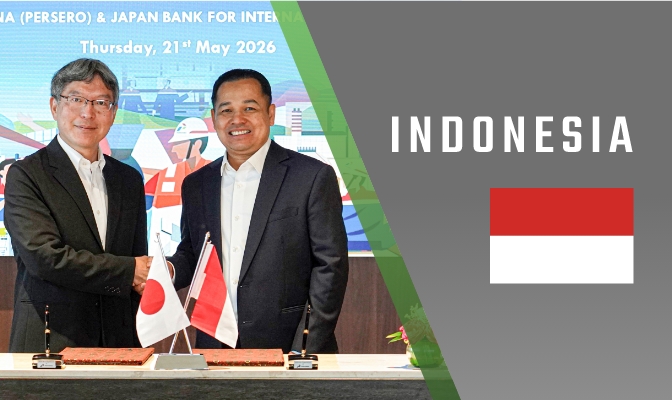
In May 2026, JBIC renewed its Memorandum of Understanding (MOU) with Pertamina and co-hosted a workshop. (Photo: Courtesy of the Pertamina Energia Team)


As the world's largest producer of palm oil, Indonesia is advancing the adoption of biofuels that draw on its abundant resources as a national strategy. The country is positioning biofuels as the key to energy security that addresses geopolitical risks. It is already implementing a B40 mandate for a 40 percent blend of palm oil-derived biodiesel in diesel. PT Pertamina, the state-owned oil company leading the rollout of biofuels, is also engaged in bioethanol and SAF-related initiatives. Indonesia's collaboration with Japanese companies is ramping up, drawing attention to the country as a strategic hub supporting Asia's energy transition.
Indonesia is vigorously promoting the adoption of biofuels as a national strategy by leveraging its abundant natural resources. This policy goes beyond addressing climate change and reflects energy security considerations, including the creation of domestic demand and increasing energy self-sufficiency.
At the vanguard of this effort is Pertamina.
"While Pertamina serves as the lynchpin of Indonesia's energy supply, it also plays a major role in the government's energy transition policy," says GOTO Yuki, JBIC's liaison with the company. "In addition to its existing operations related to energy security, it is focusing on clean energy, such as hydrogen, as well as biofuel-related projects."
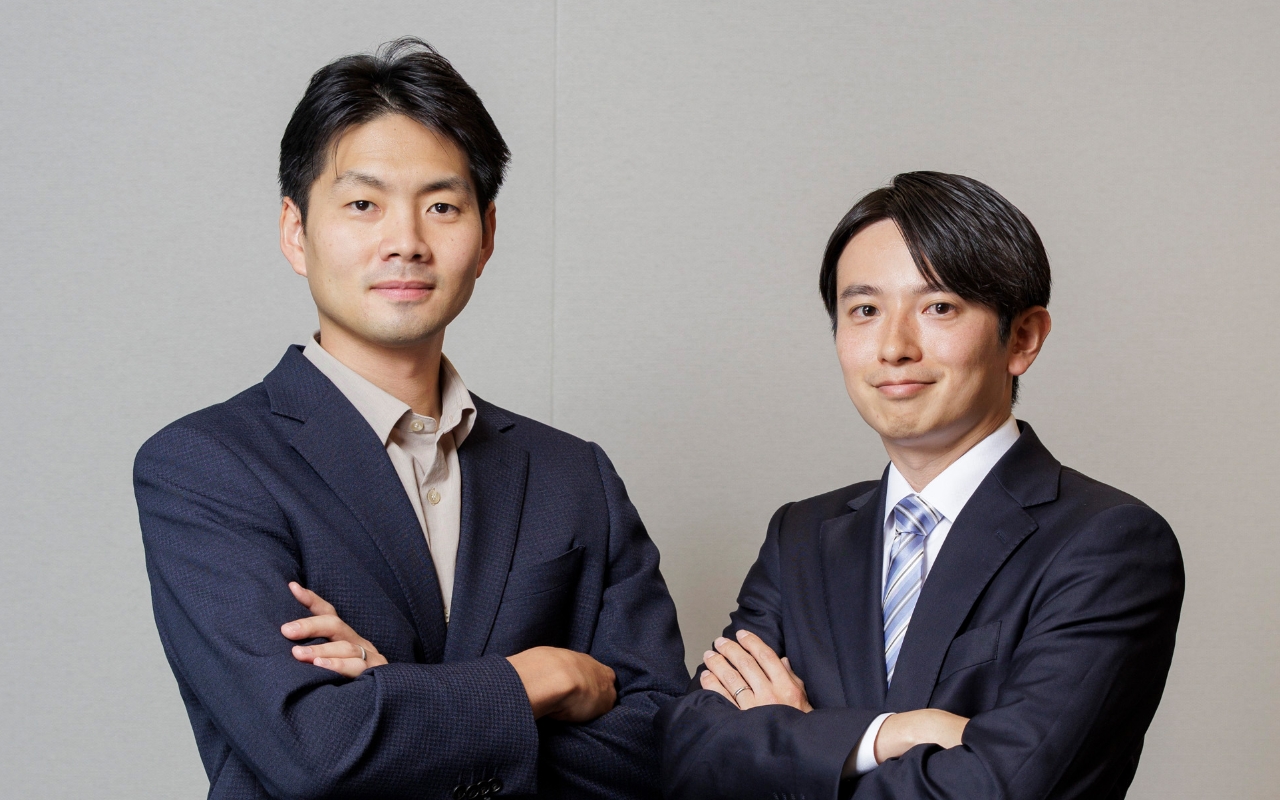
Division 2, Energy Solutions Finance Department, Energy and Natural Resources Finance Group, JBIC, YAMASAKI Jun (left) & GOTO Yuki (right)
Enhancing resilience through Japan-Indonesia collaboration
JBIC and Pertamina signed a memorandum of understanding (MOU) on promoting clean energy in 2022 and have been building up trust through developing financing projects and hosting workshops.
They then renewed the MOU in May 2026 to expand their areas of cooperation. In addition to renewable energy, hydrogen and ammonia, and carbon capture and storage (CCS) covered in the previous MOU, the renewed agreement strengthened cooperation in areas such as biofuels and energy resilience-related businesses.
The renewal of the MOU was based on a shared recognition of the need to reexamine procurement structures reliant on the Middle East and strengthen supply chains within Asia.
YAMASAKI Jun, who worked alongside GOTO on the renewal of the MOU, explains: "When the risk of closure of the Strait of Hormuz became a reality, it was a stark reminder to the world of the importance of physically securing energy. Indonesia produces crude oil, but as it also relies on imports, it is affected by soaring prices. We share with Pertamina a sense of urgency about strengthening resilience through closer cooperation in Asia."
The commitment to decarbonization remains unchanged, while ensuring a stable energy supply is equally important. This shared understanding enabled JBIC and Pertamina to reach agreement at a deep level.
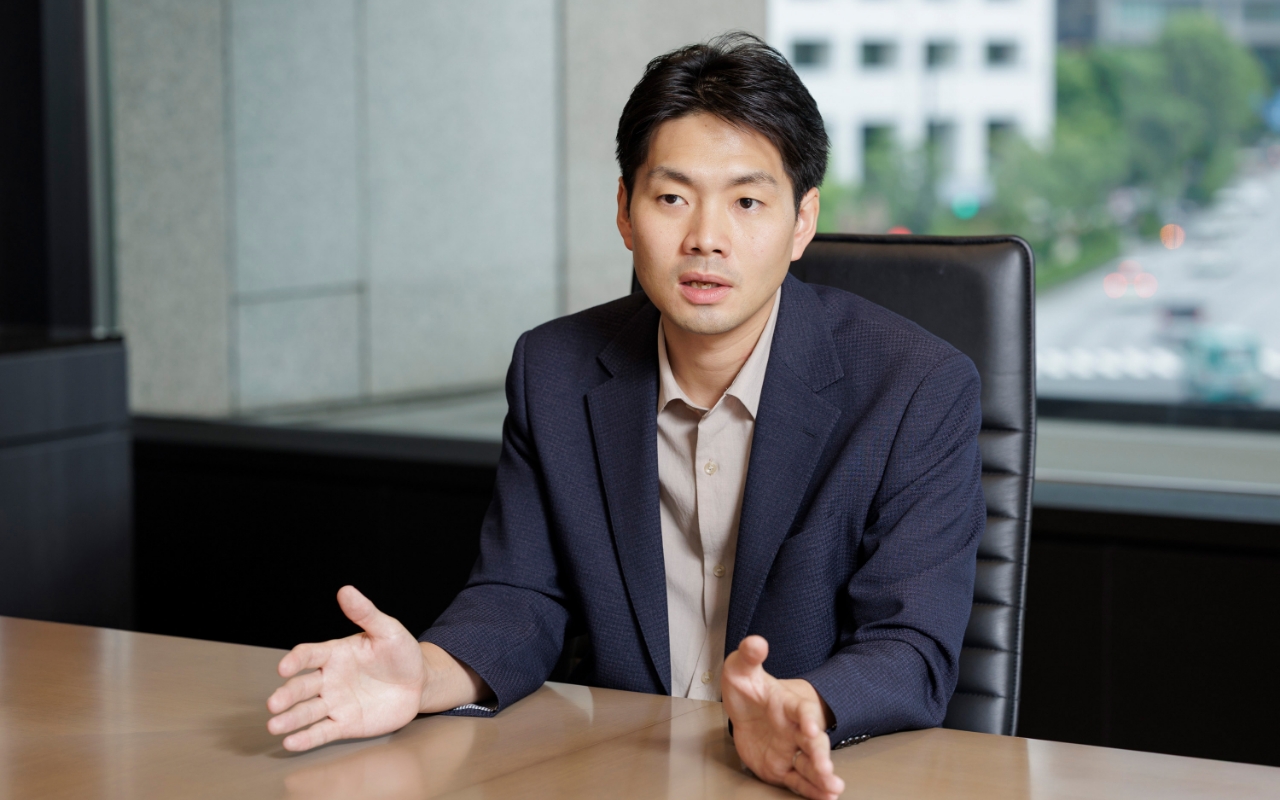
Division 2, Energy Solutions Finance Department, Energy and Natural Resources Finance Group, JBIC, YAMASAKI Jun
Building collaborative relations to create opportunities for Japanese companies
To transform this strong relationship into real business opportunities, a joint workshop was held in May 2026 at Pertamina's headquarters in Jakarta to coincide with the MOU renewal. A total of some 60 people from 14 Japanese companies, including trading houses, financial institutions, and engineering firms, participated.
"We were approached about the possibility of holding a workshop focusing on biofuels, and that resulted in this event," explains GOTO. "The aim was to create a forum for exchange between Pertamina and Japanese companies, thereby fostering future partnerships. In the process, we established a direct communication channel between AMANO, Global Head of our Energy and Natural Resources Finance Group, and Pertamina's CFO, to further strengthen cooperation."
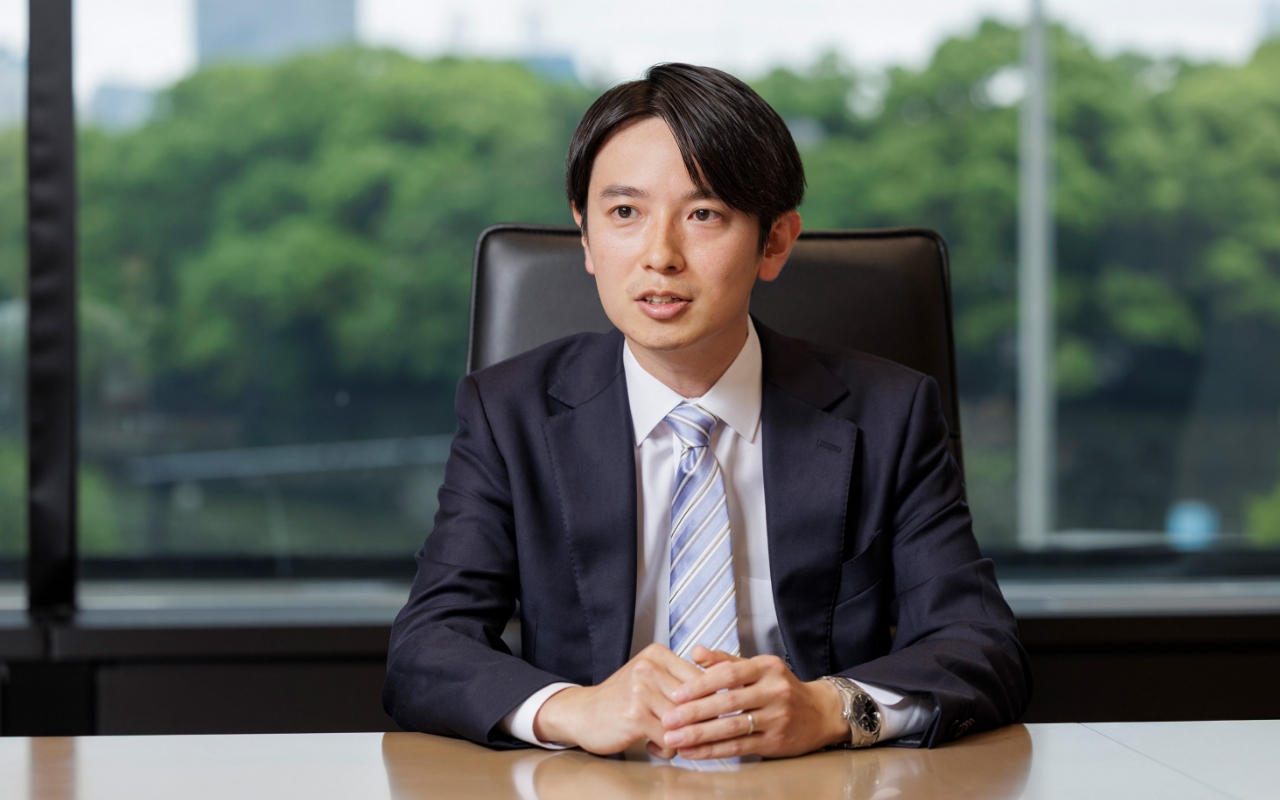
Division 2, Energy Solutions Finance Department, Energy and Natural Resources Finance Group, JBIC, GOTO Yuki
At the workshop, Pertamina presented its future strategy for biofuels, and JBIC explained its financing options and the key points of environmental and social considerations. "We received comments from the participants that it was 'very valuable,'" remarks GOTO.
Meanwhile, YAMASAKI noted that he was struck by the speed at which Indonesia has implemented biofuels: "They have already introduced B40, a blend containing 40 percent palm-derived biodiesel, and are now aiming to introduce B50 and roll out bioethanol on a large scale. I could feel that they are driving the sector with real pride in their country's resources."
Collaboration between Japan and Indonesia to strengthen their supply chains will also bolster both countries' energy security. There is ample room for Japanese companies to participate in local supply chains and develop their business. Indonesia's progress in advancing the use of biofuels, led by biodiesel, will continue to be closely watched.
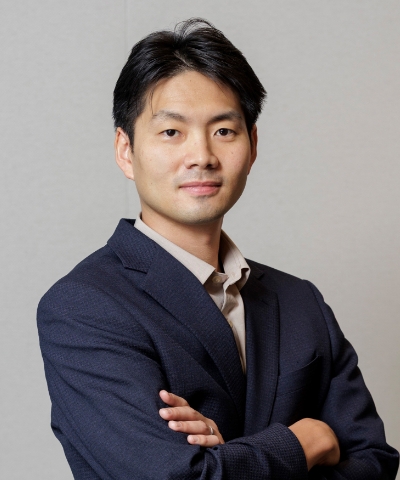

Division 2
Energy Solutions Finance Department
Energy and Natural Resources Finance Group, JBIC
YAMASAKI Jun
Joined JBIC in 2014. After assignments in the Infrastructure and Environment Finance Group, New Energy and Power Finance Department II, Representative Office Registered in Singapore, and the Corporate Planning Department, as well as studying overseas for an MBA, he has worked on energy projects in Asia, the Middle East, and Latin America since July 2024.
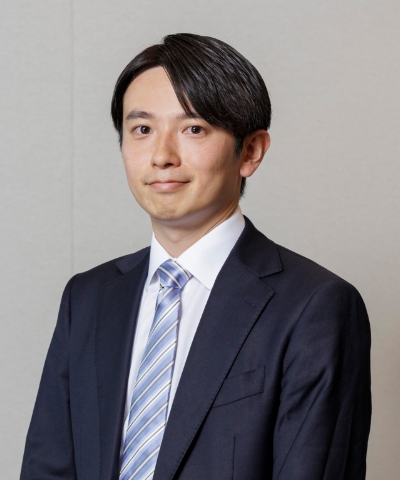
Division 2
Energy Solutions Finance Department
Energy and Natural Resources Finance Group, JBIC
GOTO Yuki
Joined a leasing company in 2017 before joining JBIC as a mid-career hire in 2026. Has worked in the Energy Solutions Finance Department on oil and natural gas projects and energy transition-related projects in Asia. Graduated from Waseda University, School of Commerce.

