



Feature ArticleBIOFUELS FOR ENERGY SECURITY
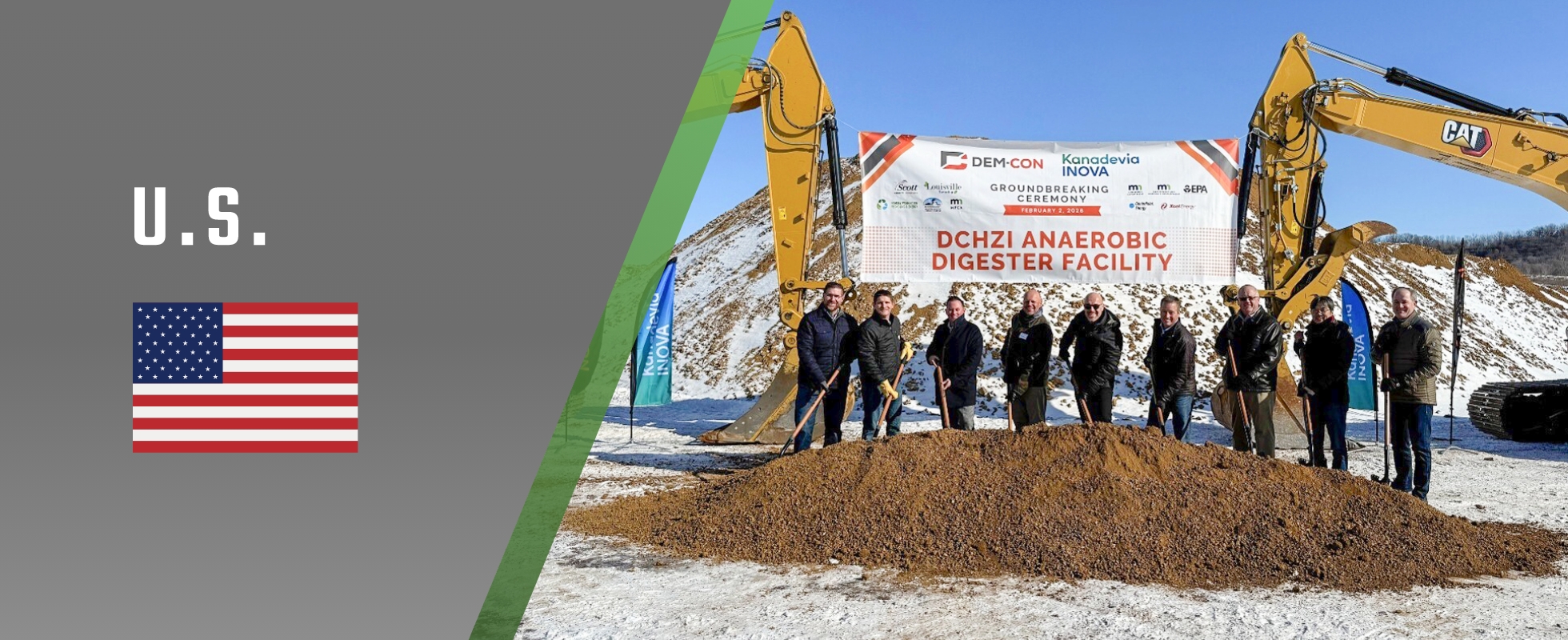
Groundbreaking ceremony held in Minnesota, U.S.


As the world begins to shift toward decarbonization, one of the solutions attracting the most attention today is the generation of energy from organic waste, including food scraps. The abundance of organic waste across the vast lands of the United States means that the country has enormous potential in this sector.
In this U.S. market, Kanadevia Corporation, which changed its name from Hitachi Zosen Corporation in 2024, is expanding its business with a focus on biogas technology. We look at the biomethane project developed by the Kanadevia Group in Minnesota and explore the reasons behind JBIC's support for the project.
Organic waste buried in landfills emits the powerful greenhouse gas methane as it decays, thus contributing to global warming. Seen from another perspective, however, it can be a resource with untapped business potential. Kanadevia saw an opportunity in this.
"The reality is that fewer than 10 percent of local governments across the United States collect food waste separately from other trash," says FUKUSHIMA Minami, who was in charge of this project for JBIC. "Most municipalities simply bury food scraps in landfills."
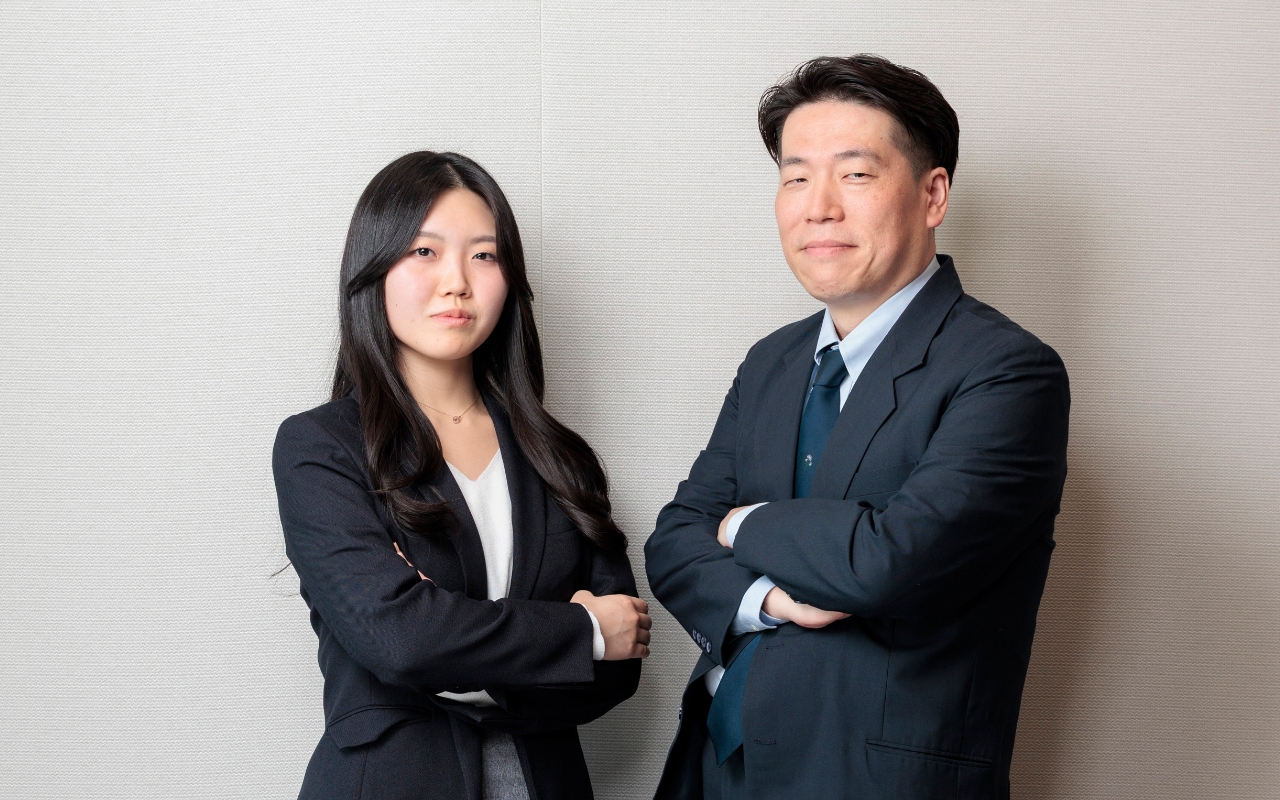
Social Infrastructure Finance Department, Infrastructure and Environment Finance Group, JBIC, FUKUSHIMA Minami (left) & TAKAHASHI Katsushige (right)
Kanadevia's Kompogas® transforms waste into resources
The Kanadevia Group's global competitiveness is underpinned by its proprietary dry anaerobic digestion technology, Kompogas®.
TAKAHASHI Katsushige, JBIC's Advisor in the Social Infrastructure Finance Department who is involved in this project, explains the technological advantages of the Kompogas system: "The Kompogas system uses the power of microorganisms to break down not only food waste but also other organic waste that contains little moisture, such as paper, and converts it into biogas. The digestate can also be turned into biochar, which can be used as fertilizer."
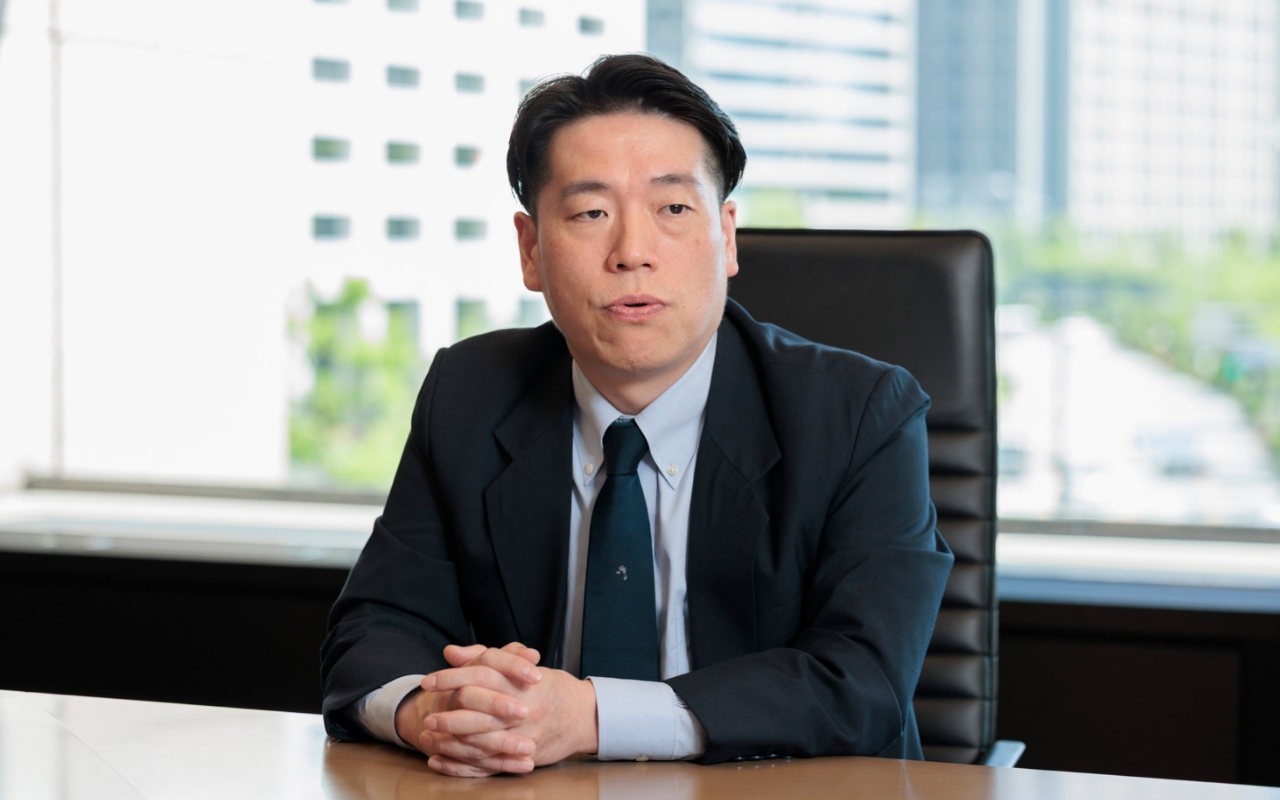
Social Infrastructure Finance Department, Infrastructure and Environment Finance Group, JBIC, TAKAHASHI Katsushige
This technology is largely unaffected by the composition of waste, transforming organic waste into resources while greatly minimizing the final amount of residue discharged. The technology creates added value throughout the waste management process, from processing a wide range of waste materials to reducing the amount of waste that ultimately goes to landfill. This is exactly what drove Kanadevia's further expansion in the U.S. market.
The company has been developing organic waste management projects in Europe, North America, and Asia, building a solid track record in implementing the Kompogas system. Its relationship with JBIC dates back to a 2017 plant construction project in California, U.S. Since then, JBIC has been providing financial support to Kanadevia while also sharing market intelligence on trends in various countries and fostering an ongoing dialogue. This close collaborative relationship is what led to the current loan.
Kanadevia turned its attention to Minnesota because the state has been proactively promoting policies aimed at reducing waste and advancing waste-to-renewable gas technologies.
Contributing to the environment and society through overseas expansion support
This project started when the Kanadevia Group approached Dem-Con Companies, LLC, a local firm that has long been operating a waste management and recycling business in Minnesota. Dem-Con Companies, which has a well-established regional waste collection network, also found the group's Kompogas technology highly attractive. In addition, the Minnesota state government has set a zero waste environmental goal and offers subsidies and other forms of support for eco-friendly infrastructure projects.
"The project came together as three complementary pieces fell into place: the waste collection capabilities of a local company, the Kanadevia Group's proprietary technology, and proactive support from the local government," recalls TAKAHASHI.
JBIC mainly provides support for projects in emerging and developing countries. The reason why it was able to support this project in the United States was that loans to projects in specific areas stipulated in the JBIC Act are allowed even for those undertaken in developed countries. The Kanadevia Group's waste treatment project falls under one of those areas.
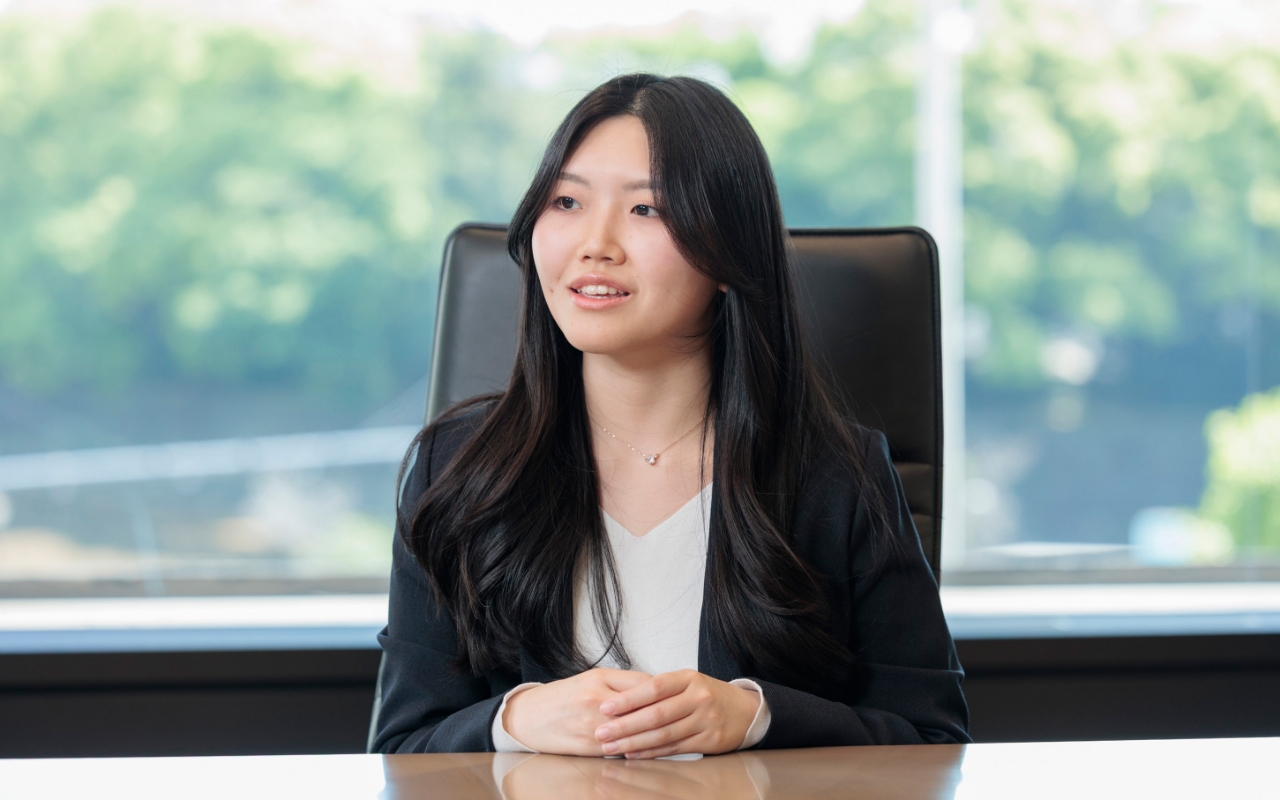
Social Infrastructure Finance Department, Infrastructure and Environment Finance Group, JBIC, FUKUSHIMA Minami
This project not only supports the overseas expansion of a Japanese company but also has significant value from an environmental perspective. It also contributes to solving social issues, one of the goals set out in JBIC's Fifth Medium-Term Business Plan.
According to FUKUSHIMA, "As this project by the Kanadevia Group involves collecting and utilizing organic waste in Minnesota, it will also contribute to a cleaner and healthier environment."
The project, now underway in Minnesota, highlights the enormous potential of biofuels.
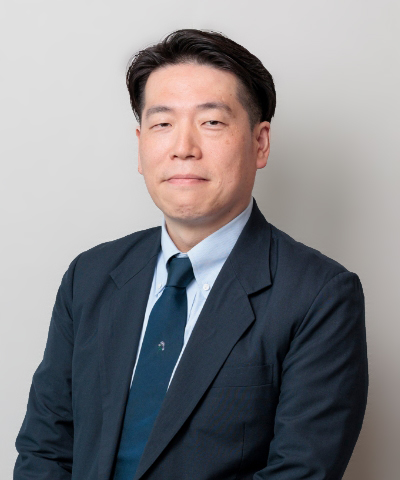

Advisor
Director, Division 2 and Division 3
Social Infrastructure Finance Department
Infrastructure and Environment Finance Group, JBIC
TAKAHASHI Katsushige
Joined JBIC in 2006. After assignments including the Environmental Assessment Office, the Representative Office in New Delhi, and the Corporate Finance Department, assumed his current position as Director, Division 2 and Division 3, in the Social Infrastructure Finance Department, where he leads a team responsible for waste treatment facilities, ports, airports, logistics facilities, and other projects. Originally from Hiroshima Prefecture, home to the Naka Incineration Plant, a striking waste treatment facility featuring the Ecorium (Ecology + Atrium). Graduated from Kyushu University, Faculty of Economics.
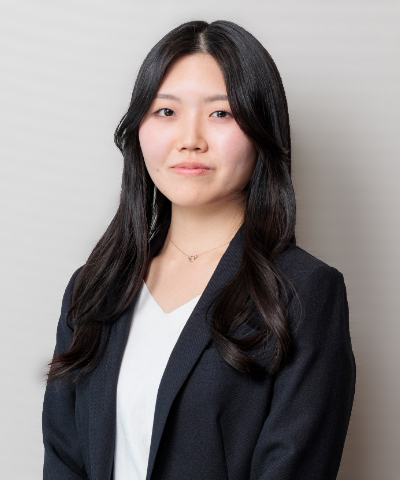
Division 1 and Division 4
Social Infrastructure Finance Department
Infrastructure and Environment Finance Group, JBIC
FUKUSHIMA Minami
Joined JBIC in 2025. Has worked in the Social Infrastructure Finance Department on projects involving waste treatment facilities, railways, and other infrastructure. Currently involved in the formulation of a water supply and sewerage project in the Philippines. Graduated from Sophia University, Faculty of Foreign Studies.

